
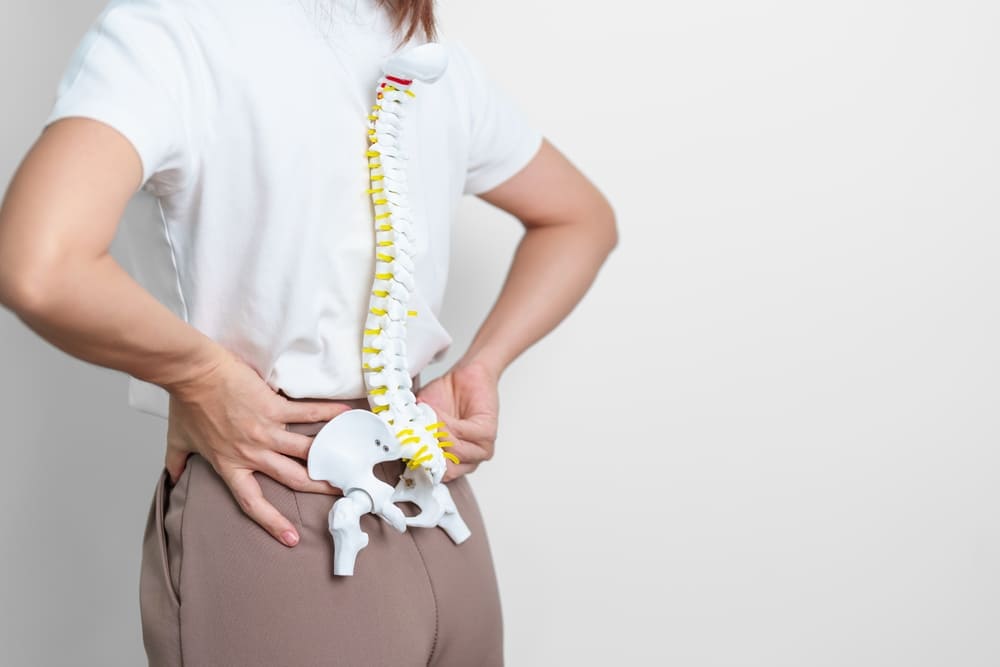
Do you find yourself limited by persistent back pain despite trying numerous non-surgical treatments? For patients with specific spinal conditions, the innovative Extreme Lateral Interbody Fusion (XLIF) technique in New York may offer a solution that traditional approaches cannot. This sophisticated side-entry surgical method represents a significant advancement in spine surgery, potentially delivering improved outcomes with less recovery time compared to conventional fusion procedures.
At New York Spine Specialist, Our team delivers state-of-the-art XLIF procedures for patients throughout New York seeking relief from debilitating spine conditions. Our surgical protocol emphasizes minimal tissue disruption while maximizing structural correction of spinal pathology. Dr. Lattuga, recognized among the top 1% of physicians in NY/NJ and maintaining affiliations with distinguished institutions and hospitals, including New York Presbyterian Hospital and Northwell, directs our surgical program dedicated to advanced minimally invasive spine techniques.
The XLIF procedure represents a fundamental shift in spine surgery methodology by utilizing a lateral (side) corridor to access the spine. Unlike traditional anterior or posterior approaches that disturb critical structures, XLIF navigates through a natural muscle plane to reach the intervertebral space with minimal tissue trauma.
Lateral access fusion techniques like XLIF have demonstrated fusion success rates between 95-98% while significantly reducing surgical morbidity compared to traditional open fusion methods.
This innovative procedure involves:
The XLIF approach represents a significant advancement in spinal fusion technology, offering patients the benefits of minimally invasive surgery with excellent clinical outcomes. By combining specialized instrumentation, advanced monitoring, and meticulous surgical technique, this procedure allows us to address complex spinal conditions while prioritizing rapid recovery and minimal disruption to surrounding tissues.
XLIF fundamentally differs from other approaches through its:
This anatomical approach minimizes collateral damage to surrounding structures while still providing excellent access to the spine.
From a structural perspective, XLIF provides:
The mechanical advantages of lateral implant placement contribute to more durable reconstructions for many patients.
The XLIF approach is particularly well-suited for specific patient populations and conditions:
Patients with these conditions often benefit from the New York XLIF approach’s ability to restore disc height and indirectly decompress neural structures.
Patients with these conditions often benefit from the lateral approach’s ability to restore disc height and indirectly decompress neural structures.
The XLIF technique excels in addressing the following:
Correcting adult spinal deformities often requires addressing the anterior column, where XLIF provides direct access with less morbidity than traditional anterior approaches.
XLIF provides unique advantages for patients who require revision surgery:
The lateral corridor offers a fresh surgical approach when posterior options have been exhausted or compromised by prior surgeries.
The execution of XLIF surgery involves several precisely orchestrated stages:
This initial preparation establishes the foundation for safe corridor development and accurate implant placement.
The gentle, layer-by-layer approach minimizes tissue trauma while creating the necessary pathway to the spine.
This sophisticated neural monitoring serves as an early warning system against potential complications during the vulnerable psoas traverse phase.
The precision of disc preparation and implant selection directly influences fusion success rates and long-term outcomes.
The customized approach to supplemental fixation addresses the specific stability requirements of each patient’s anatomy and pathology.
The Extreme Lateral Interbody Fusion (XLIF) procedure in New York represents a sophisticated surgical approach that combines advanced technology with meticulous technique to achieve optimal outcomes. Through careful patient positioning, precise surgical navigation, continuous neurological monitoring, and thorough disc preparation, surgeons can effectively place the interbody device while minimizing tissue trauma.
This comprehensive approach allows for effective decompression and stable fusion while potentially reducing operative time, blood loss, and recovery duration compared to traditional open procedures. The integration of supplemental fixation options further enhances the versatility of XLIF, allowing surgeons to tailor the construct to each patient’s specific anatomical and biomechanical needs.
Successful XLIF outcomes begin with meticulous preparation:
Our preoperative protocol includes the following:
We emphasize preparing patients physiologically:
Our XLIF recovery program focuses on accelerated return to function:
A comprehensive approach to XLIF surgery extends far beyond the operating room, encompassing thorough preoperative planning and dedicated postoperative care.
By utilizing advanced imaging protocols, we can precisely assess each patient’s unique spinal anatomy and pathology, allowing for customized surgical planning. Patient-specific optimization ensures the body is well-prepared for surgery and subsequent healing, while our structured recovery protocols facilitate a smoother rehabilitation process.
This integrated care continuum—from initial assessment through long-term recovery—maximizes the potential benefits of the XLIF procedure in New York, helping patients return to their daily lives with improved function and reduced pain. Our multidisciplinary approach addresses both the technical aspects of surgery and the individual needs of each patient throughout their treatment journey.
If conventional treatments have failed to address your spinal condition, the advanced XLIF procedure at New York Spine Specialist may provide an effective solution with a reduced recovery burden. Our comprehensive program combines surgical innovation with meticulous patient care throughout your treatment journey. Our multilingual clinical team communicates fluently in Spanish, Italian, French, Korean, Cantonese, and Mandarin, ensuring clear understanding at every treatment stage.
Dr. Lattuga and his surgical staff maintain affiliations with leading healthcare institutions. This network enables us to deliver exceptional care, integrating the most advanced techniques in spine surgery. To determine whether XLIF may be appropriate for addressing your spinal condition, call us at 516-355-0111 or complete our contact form to arrange your surgical consultation.