
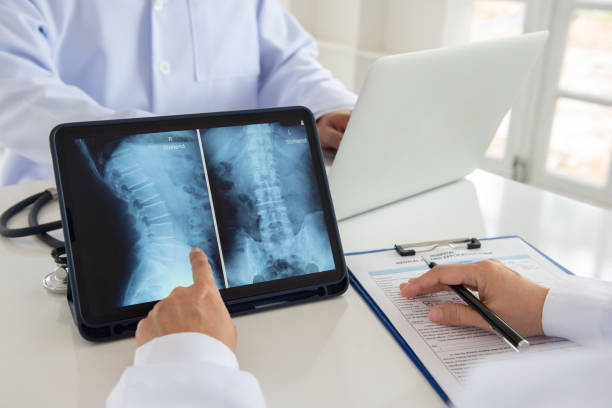
The spine is the area of your body that houses your vertebrae and supports your neck and back. Improper lifting, overuse of your back muscles, or genetics can all cause stress on your spine as you get older. This type of strain can result in a vertebral compression fracture or a herniated disk.
If you have lumbar spinal stenosis or another condition that necessitates surgery to relieve pressure on the spinal cord, nerve roots, or other structures in the spine, you may be considering laminectomy treatment to resolve the problem and prevent further complications.
What you need to know about this surgical procedure and why it’s right for you is as follows:
The Structure of the Spinal Cord
The spinal column, which is made up of vertebrae, protects the spinal cord, and the spine is lined with soft tissue. To protect the spinal cord, the bony vertebrae are arranged in a ring around it. These bones form joints as well, allowing them to move freely when you bend your back or twist to one side.
The soft tissue surrounding the spinal cord and vertebrae includes:
Nerves that carry messages from different parts of your body to your brain (sensory nerves)
Nerves that control movement (motor nerves)
Blood vessels carrying blood to and away from the area (vessels)
Lumbar Spinal Stenosis
Spinal stenosis happens when the spine narrows in one or more places. The condition can cause severe limb pain, numbness, and tingling. It’s a serious problem for many people who already have back problems, but plenty of non-surgical treatments are available.
A lumbar laminectomy is a surgical procedure used to treat spinal stenosis and other conditions such as spinal cord injury, neck pain, and scoliosis. It entails removing a portion of your vertebrae’s bone and tissue to relieve pressure on nerves that cause pain or other symptoms associated with spinal stenosis.
When To See a Doctor
If you are experiencing symptoms of lumbar spinal stenosis, such as back or neck pain or loss of bowel or bladder control, you should consult a doctor. It should be noted that not all patients who experience these symptoms require spine surgery. You should only see a spinal surgeon if your primary care physician believes you would benefit from it, and there are no other options.
Which Treatment Option Is Best for You
Which treatment option is best for you will depend on the type, severity, and location of your spinal stenosis. The type of spinal stenosis you have, for example, may influence your treatment options. Some people with certain types of spinal stenosis are unable to undergo surgery because it would be too risky or would result in more serious complications later on. Other factors that will be considered, in addition to the type of spinal stenosis, are:
The severity of your symptoms
The location of your spinal stenosis
Any other spinal problems that may be present (such as scoliosis or spondylolisthesis)
Your age and overall health
Your ability to tolerate surgery (for example, if you’re very overweight or have high blood pressure)
Laminectomy Surgery
Lumbar spinal stenosis is a condition in which the spinal canal narrows and puts pressure on the surrounding soft tissue. This can result in symptoms such as leg pain, numbness, weakness, and tingling. Laminectomy surgery involves removing a portion of the vertebrae to make more room for the spinal cord. Laminectomy is a minimally invasive spine surgery performed to achieve one or more of three objectives:
Make room for nerves that have been compressed due to bone spurs (vertebral osteophytes) or disc material pressing down on them from above.
Reduce compression on spinal nerves by removing part of an intervertebral disc (prolapsed disk)
Provide access to an injured nerve root
What Happens During a Laminectomy Procedure?
During a laminectomy procedure, your surgeon will remove part or all of the lamina from one or more vertebrae in your spine. The bony structure that covers, supports, and separates each vertebra from its neighbor is known as the lamina.
A herniated disc can put pressure on the nerves in your spinal column, causing pain and numbness to radiate down into your arms and legs. You can get back to living comfortably and pain-free by relieving some of the strain on your nerves during surgery.
A laminectomy is a type of spinal surgery that can help relieve symptoms caused by a damaged or injured intervertebral disc (IVD). If non-surgical treatments haven’t worked well enough for you, your doctor may recommend this procedure.
Resuming Activities After Surgery
It is critical not to engage in any activities that put a strain on the spine until you have recovered from surgery and have been cleared by your doctor. This can take several months, depending on how much of the spine was removed and how quickly you recover after surgery.
Your doctor will most likely tell you what activities are safe for you to do while recovering, but in the meantime, avoid heavy lifting and strenuous activity that could strain your spine.
In addition to the laminectomy, your surgeon may advise you to participate in an extensive rehabilitation program and physical therapy to keep you active and strengthen your muscles after the procedure. Your physical therapist will show you exercises that will help you improve your strength and range of motion. This is especially important if the surgery was done to treat spinal stenosis, which frequently results in loss of motor control over time.
Visit New York Spine Specialist for Expert Spinal Procedures
Laminectomy is a common procedure in the field of spinal surgery. To relieve pressure on the nerves, excess vertebrae and lamina are removed during this surgical procedure. If you have a lumbar disc herniation or another type of lumbar spinal stenosis that puts pressure on nerves, you should talk to a spine specialist about laminectomy treatment. Our doctors accept most insurance plans, including workers’ compensation, PIP, and no-fault insurance.
The experienced team of doctors at New York Spine Specialist in NYC and Jersey City is well-trained in procedures and finding solutions to help patients find relief from conditions and symptoms related to the spine, such as herniated discs, lumbar spinal stenosis, neck and back pain, and pinched nerves. If you have any questions or concerns about laminectomy treatment, please get in touch with us at (516) 355-0111 or request an appointment.