
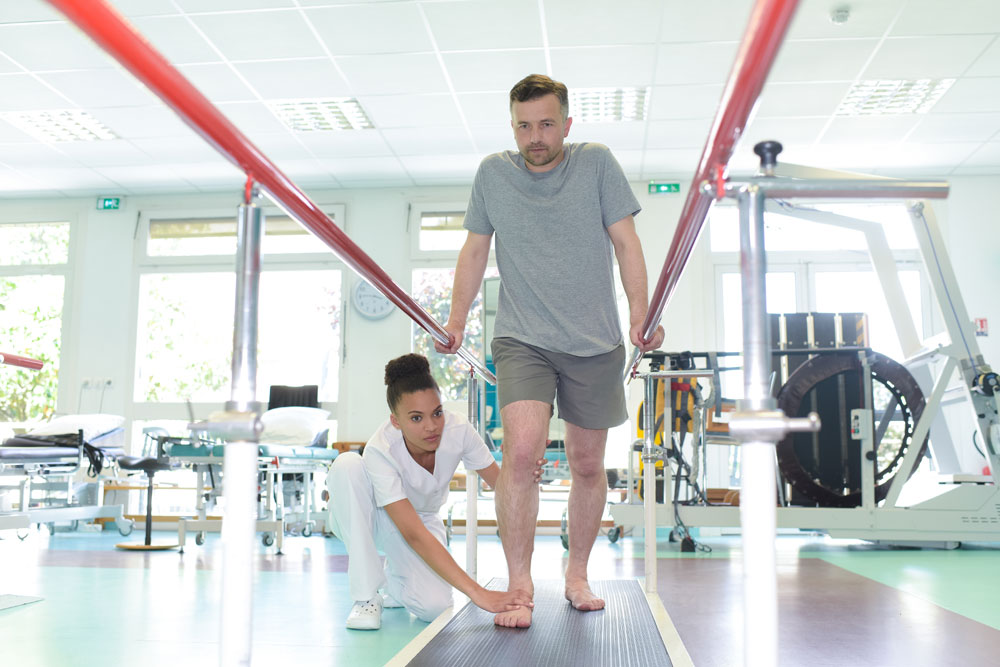
Many people facing spine surgery worry their lives will never return to normal. This concern is understandable, as the spine impacts nearly every movement we make. However, with modern surgical techniques, appropriate rehabilitation, and proper expectations, most patients can return to an active, fulfilling lifestyle following spine surgery.
At New York Spine Specialist, we have helped thousands of patients reclaim their lives after spine surgery. Our team, led by Dr. Lattuga, rated in the top 1% of doctors in NY/NJ, provides comprehensive care from diagnosis through recovery. We understand your concerns and are here to help you achieve the best possible outcome for your condition and lifestyle.
Understanding “Normal” After Spine Surgery
The concept of “normal” varies significantly among individuals, and keeping realistic expectations is important in overall satisfaction following spine surgery. Your specific procedure, overall health, and pre-surgical condition all influence your potential outcomes.
Most spine surgeries aim to address specific problems like nerve compression, instability, or deformity. While the procedure may resolve the targeted issue, it doesn’t necessarily return your spine to its pre-injury or pre-disease state. Instead, successful surgery creates a new, stable state that accommodates your spine’s changed condition while alleviating symptoms.
Many patients report great improvement in pain levels and function following recovery. Success rates for common procedures like lumbar discectomy reach 80-90% for appropriately selected patients. Understanding that some adaptation may be necessary helps establish realistic expectations for your “new normal.”
Recovery timelines vary based on the specific procedure and individual factors. Minimally invasive techniques often allow faster recovery, while more complex reconstructions require longer healing periods. Your surgeon can provide specific guidance regarding your expected recovery trajectory based on your unique situation.
Returning to Daily Activities
For most patients, returning to routine daily activities represents an important milestone in their recovery journey. With proper guidance and precautions, most everyday tasks become manageable again.
Self-care activities like bathing, dressing, and grooming typically resume within days to weeks following surgery, though you may need adaptive techniques or equipment initially. Your physical therapist can provide strategies for performing these tasks safely during recovery, such as using long-handled reachers or shower chairs.
Household responsibilities require more careful consideration. Light housekeeping often becomes possible within 2-4 weeks, while more demanding tasks like vacuuming or yard work may require 2-3 months before safe resumption. Permanent modifications to your approach for certain activities might be necessary, focusing on proper body mechanics rather than avoiding the activities entirely.
Driving restrictions vary by procedure and medication needs. Most surgeons allow driving resumption when you no longer require narcotic pain medication and can safely perform emergency maneuvers. This typically occurs between 2-6 weeks post-surgery, depending on your specific procedure and recovery progress.
Work and Career Considerations
Many patients successfully return to their previous occupations following spine surgery, though the timeline and potential modifications vary based on job demands and surgical factors.
Sedentary or desk-based jobs typically allow return within 4-6 weeks, often with ergonomic adjustments and scheduled movement breaks. Consider workspace modifications like adjustable chairs with proper lumbar support, ergonomic keyboards, and monitor positioning to maintain good posture during extended sitting.
Physically demanding occupations require more careful planning and potentially longer recovery periods. Jobs involving heavy lifting, repetitive bending, or prolonged standing may require 3-6 months before full resumption. Some patients benefit from graduated return-to-work programs, starting with reduced hours or modified duties while regaining strength and endurance.
Career changes become necessary for some patients whose previous occupations placed excessive demands on their spines. If your surgeon advises against returning to your former position, vocational rehabilitation services can help identify suitable alternatives that accommodate your capabilities while utilizing your existing skills and experience.
Physical Activity and Exercise
Physical activity helps to maintain spine health and overall well-being following surgery. Most patients can resume and even expand their exercise routines with appropriate modifications.
Low-impact cardiovascular activities like walking, swimming, and stationary cycling typically form the foundation of post-surgical fitness programs. These activities promote circulation, maintain cardiovascular health, and support weight management without placing excessive stress on your healing spine.
Strength training, particularly focused on core stabilization, helps support your spine during daily activities. Your physical therapist can design an appropriate progression of exercises tailored to your surgical procedure and recovery stage. Proper technique remains essential to prevent injury and maximize benefits.
Recreational activities and sports can often be resumed gradually, though some high-impact or contact activities may require permanent modification. Many patients successfully return to golf, tennis, hiking, and similar activities with proper technique and pacing. Your surgeon will provide guidance regarding the safe resumption of your preferred activities.
Long-term Outlook and Spine Health Maintenance
Maintaining your surgical results requires ongoing attention to spine-healthy habits. These practices help prevent the recurrence of problems and support overall spine health.
Regular exercise focusing on core strength, flexibility, and cardiovascular fitness provides crucial support for your spine. Consistency matters more than intensity – moderate, regular activity generally yields better long-term results than sporadic, intense workouts that may strain healing tissues.
Proper body mechanics during lifting, bending, and other activities reduce stress on your spine. These techniques become particularly important following surgery to prevent excessive strain on the operated and adjacent segments. Your physical therapist can provide specific guidance for your common activities.
Weight management significantly impacts spine health, as excess weight increases the load on spinal structures. Sustaining a healthy weight with proper nutrition and activity helps preserve your surgical results and reduces strain on your spine during daily activities.
Regular follow-up with your spine specialist allows monitoring of your progress and early identification of any developing concerns. Most surgeons recommend periodic check-ins even after a full recovery to ensure continued spine health and address any questions or concerns.
Living Well With Implanted Hardware
Many spine surgeries involve implanted hardware such as screws, rods, or artificial discs. Understanding how to live with these implants helps ease concerns about their long-term impact.
Most modern spinal implants remain in place permanently without causing noticeable symptoms. The materials used in these devices have been extensively tested for biocompatibility and durability. While you might occasionally notice sensations around implant sites during weather changes or specific activities, severe or persistent pain around implants warrants evaluation.
Airport security and other metal detectors may detect some spinal implants, though this varies based on the specific material and detector sensitivity. Most patients can simply inform security personnel about their implants if needed. Your surgeon can provide documentation regarding your implants if required for travel or certain activities.
MRI compatibility varies among implant types. Inform any healthcare providers ordering imaging studies about your specific implants to ensure appropriate protocols. Most modern implants are MRI-compatible with certain parameters, though specific scanning techniques may be required.
Expert Support for Your Journey Back to Normal
Recovering from spine surgery and rebuilding your life represents a journey best taken with expert guidance and support. At New York Spine Specialist, we remain committed to your success throughout the entire process.
Our team, led by Dr. Lattuga, offers expert care across multiple prestigious hospital affiliations, including New York Presbyterian Hospital, Hudson Regional Seacaucus, and Northwell. With staff speaking Spanish, Italian, French, Korean, Cantonese, and Mandarin, we ensure clear communication throughout your treatment journey. From personalized surgical approaches to comprehensive rehabilitation programs, we help you not just recover from surgery but truly reclaim your life. Contact us today at (551) 550-7246 or through our contact form to learn how we can help you achieve your goals for life after spine surgery.