
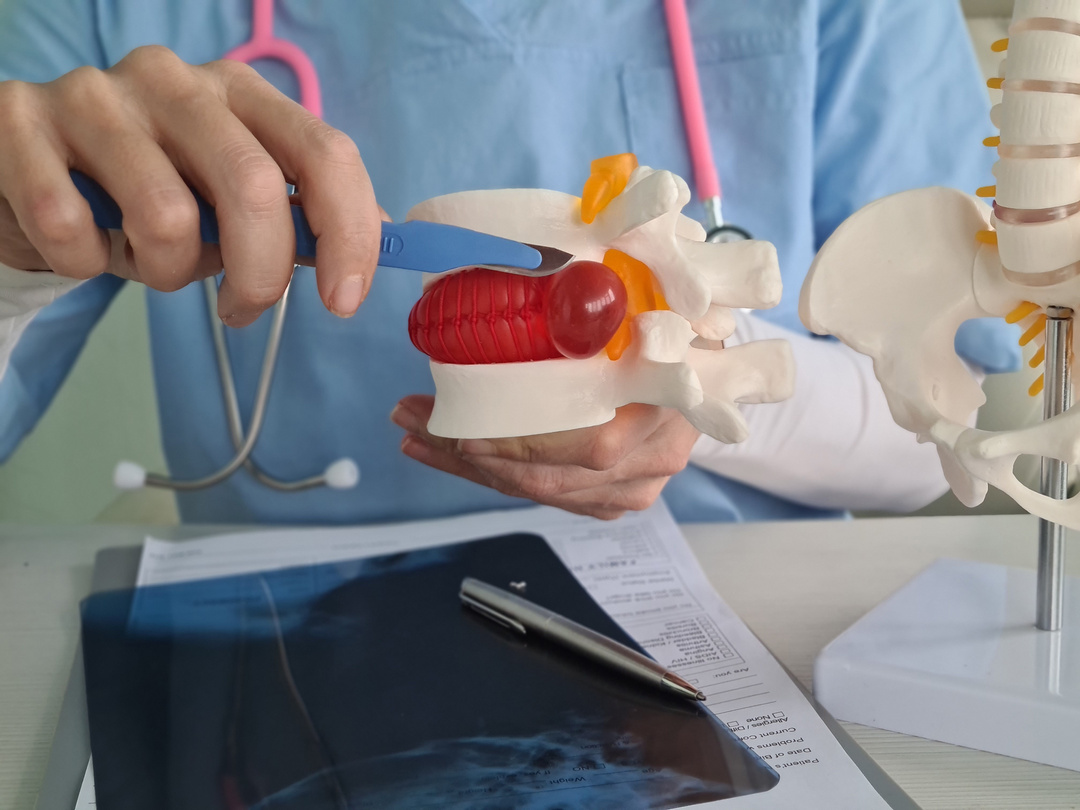
Living with the sharp, radiating pain of a herniated disc can transform even basic movements into excruciating challenges, making simple tasks like putting on shoes or reaching for a cup seem impossible. Discectomy surgery addresses this debilitating pain at its source by removing the extruded disc material that compresses and irritates sensitive nerve roots, potentially providing immediate relief from the radiating leg pain that often proves most disabling for patients suffering from disc herniations.
At New York Spine Specialist, our surgeons perform advanced discectomy procedures to provide effective pain relief while preserving spinal function. Our minimally invasive techniques allow for smaller incisions, less tissue disruption, and faster recovery times than traditional open approaches. With locations serving patients throughout New York and New Jersey, we provide accessible surgical options for those whose disc-related pain has not responded adequately to conservative management.
Understanding Disc Herniation Pain
Before exploring how discectomy addresses pain, it’s important to understand how herniated discs create discomfort:
The Pain Generation Process
Disc herniations produce pain through several distinct mechanisms:
- Direct nerve compression occurs when extruded disc material physically presses against nearby nerve roots
- Chemical irritation develops as the inner disc material releases inflammatory substances near sensitive nerves
- Mechanical instability may result from altered biomechanics at the affected spinal segment
- Referred pain patterns develop as compressed nerves transmit pain signals along their distribution pathways
These combined mechanisms create the characteristic symptoms of disc herniation, including both local back pain and radiating leg pain (sciatica).
The Nerve Compression Component
The most disabling symptoms typically stem from nerve compression. When a nerve root becomes compressed, it generates intense pain signals that travel along the entire nerve pathway. This radiating pain often feels sharp, electrical, or burning in nature. Activities that increase pressure on the compressed nerve (such as coughing, sneezing, or bending) typically worsen these symptoms. It’s this nerve compression component that discectomy surgery directly addresses.
How Discectomy Relieves Pain
Discectomy provides pain relief through several complementary mechanisms:
Physical Decompression of Neural Structures
The primary pain-relieving mechanism involves removing compressive forces. The surgeon carefully removes the herniated fragment of disc material that is directly compressing the nerve root. This immediately relieves the physical pressure on the affected nerve. With the compression eliminated, the nerve can begin to recover from the mechanical irritation it experienced. Many patients report immediate relief from radiating leg pain upon awakening from surgery, though some nerve recovery may take additional time.
Reduction of Chemical Irritation
Beyond mechanical decompression, discectomy addresses chemical factors. The inner disc material contains proteins that are highly inflammatory to nerve tissue. Removing this material eliminates the source of chemical irritation. The surgical irrigation during the procedure helps wash away inflammatory byproducts already present around the nerve.
This reduction in chemical inflammation contributes significantly to pain relief in the days following surgery.
Biomechanical Stabilization
Removing the herniated fragment can improve spinal mechanics. The extruded disc material can create asymmetrical forces within the disc space. Removing this material helps restore more normal biomechanics at the affected level. Improved biomechanics reduce abnormal stresses on surrounding tissues, including muscles and facet joints. This mechanical normalization helps address secondary pain generators that developed in response to the herniation.
Immediate vs. Long-Term Pain Relief
The pain response following discectomy typically follows a predictable pattern:
Early Postoperative Period
Most patients experience significant changes in the first days after surgery:
- Radiating leg pain (sciatica) often improves dramatically and immediately following successful decompression.
- Local surgical discomfort occurs but is typically well-managed with appropriate pain medication.
- Some patients experience temporary nerve sensitivity as the previously compressed nerve adjusts to decompression.
This early period represents the direct mechanical benefit of removing the compressive disc material.
Progressive Improvement Phase
Over the weeks following surgery, additional improvements typically develop:
- Nerve tissue gradually recovers from the effects of previous compression, with continued reduction in radiating symptoms.
- Surrounding muscles that became tense and painful in response to the herniation begin to relax.
- Activity tolerance progressively improves as pain levels decrease.
This phase represents the healing response of previously irritated tissues.
Long-Term Pain Management
The sustained benefits of discectomy depend on several factors:
- Most patients maintain significant improvement in radiating leg pain following proper healing.
- Some degree of residual back discomfort may persist, particularly if degenerative changes exist beyond the herniation.
- Strengthening and stabilization exercises play crucial roles in maintaining pain relief.
The most successful outcomes typically occur when discectomy addresses a specific, well-identified disc herniation causing concordant symptoms.
Factors Affecting Pain Relief Outcomes
Several variables influence the degree of pain improvement following discectomy:
Patient Selection Criteria
Proper candidate identification strongly predicts successful outcomes:
- Patients with a clear correlation between imaging findings and clinical symptoms tend to experience the best results.
- Those with primarily leg pain (versus back pain) typically report greater overall satisfaction.
- Longer duration of symptoms before surgery may reduce the likelihood of complete pain resolution.
These factors highlight the importance of a thorough evaluation before recommending surgical intervention.
Surgical Technique Considerations
The specific approach used affects both immediate and long-term results:
- Minimally invasive techniques may reduce approach-related pain and accelerate early recovery.
- Complete removal of the herniated fragment is essential for optimal decompression.
- Preserving disc height and avoiding excessive removal of normal disc material helps maintain spine stability.
Modern surgical approaches balance thorough decompression with structural preservation.
Rehabilitation Protocols
Postoperative management significantly impacts sustained pain relief:
- Early mobilization prevents stiffness and promotes healing.
- Graduated exercise programs rebuild supporting musculature.
- Core strengthening creates dynamic stabilization that protects the operated level.
Proper rehabilitation transforms immediate surgical pain relief into sustained functional improvement.
Beyond Physical Pain: Psychological Benefits
The benefits extend beyond physical symptom reduction:
Improved Sleep Quality
Reducing pain leads to significant sleep improvements:
- Many disc herniation patients experience severe sleep disruption due to positional pain.
- Improved sleep following discectomy has cascading benefits for overall well-being.
- Better rest enhances the body’s natural healing processes.
This improved sleep quality represents one of the most appreciated but less-discussed benefits of successful surgery.
Reduced Medication Dependence
Surgical intervention often decreases reliance on pain medications:
- Many patients can reduce or eliminate opioid medications following successful discectomy.
- Decreased use of anti-inflammatory medications reduces the risks of gastrointestinal, renal, or cardiovascular side effects.
- Less dependence on pain medications means fewer medication side effects affecting daily function.
This medication reduction represents an important component of comprehensive pain management.
Functional Independence Restoration
Regaining capability often provides profound psychological benefits:
- Returning to valued activities improves mood and overall life satisfaction.
- Reduced dependence on others for basic needs restores a sense of autonomy.
- Career resumption provides both economic and identity benefits.
These psychological improvements often contribute significantly to patients’ overall perception of surgical success.
When Discectomy May Not Provide Complete Pain Relief
Understanding limitations helps maintain realistic expectations:
Multifactorial Pain Generators
Some patients have pain sources beyond the herniated disc:
- Facet joint arthritis may contribute to back pain that persists after successful nerve decompression.
- Muscular pain patterns that became established during the herniation may require specific rehabilitation.
- Adjacent-level degeneration might create symptoms that mimic the original herniation.
A comprehensive evaluation helps identify these factors before surgery to set appropriate expectations.
Central Sensitization Considerations
Long-standing pain can create neurological changes:
- Chronic pain sometimes leads to central sensitization, where the nervous system becomes hyperresponsive to pain signals.
- This sensitization may persist even after the original pain source is addressed.
- Additional pain management strategies may be needed for patients with established central sensitization.
This factor particularly affects patients with very long-standing symptoms before surgical intervention.
Post-Laminectomy Syndrome Prevention
Certain surgical approaches carry specific risks:
- Excessive removal of stabilizing structures may lead to later instability and pain.
- Proper surgical technique minimizes this risk by preserving normal anatomy whenever possible.
- Postoperative stabilization exercises help prevent this potential complication.
Modern discectomy techniques specifically aim to minimize these risks through targeted approaches.
Contact Our Spine Surgery Team
Discectomy represents a powerful tool for addressing the pain of herniated discs, particularly when that pain includes a significant radiating component affecting the legs. At New York Spine Specialist, our board-certified physicians are rated in the top 1% of doctors in NY/NJ and are affiliated with prestigious institutions, including New York Presbyterian Hospital, Hudson Regional Seacaucus, Northwell, Bayonne Hospital, Carewell Health Medical Center, and Brooklyn Hospital. Our multilingual staff speaks Spanish, Italian, French, Korean, Cantonese, and Mandarin to ensure clear communication throughout your surgical journey. For a personalized evaluation of your disc condition and to determine if discectomy might benefit your situation, call us at (516) 355-0111 (New York) or (551) 550-7246 (New Jersey), or schedule a consultation through our contact form.