
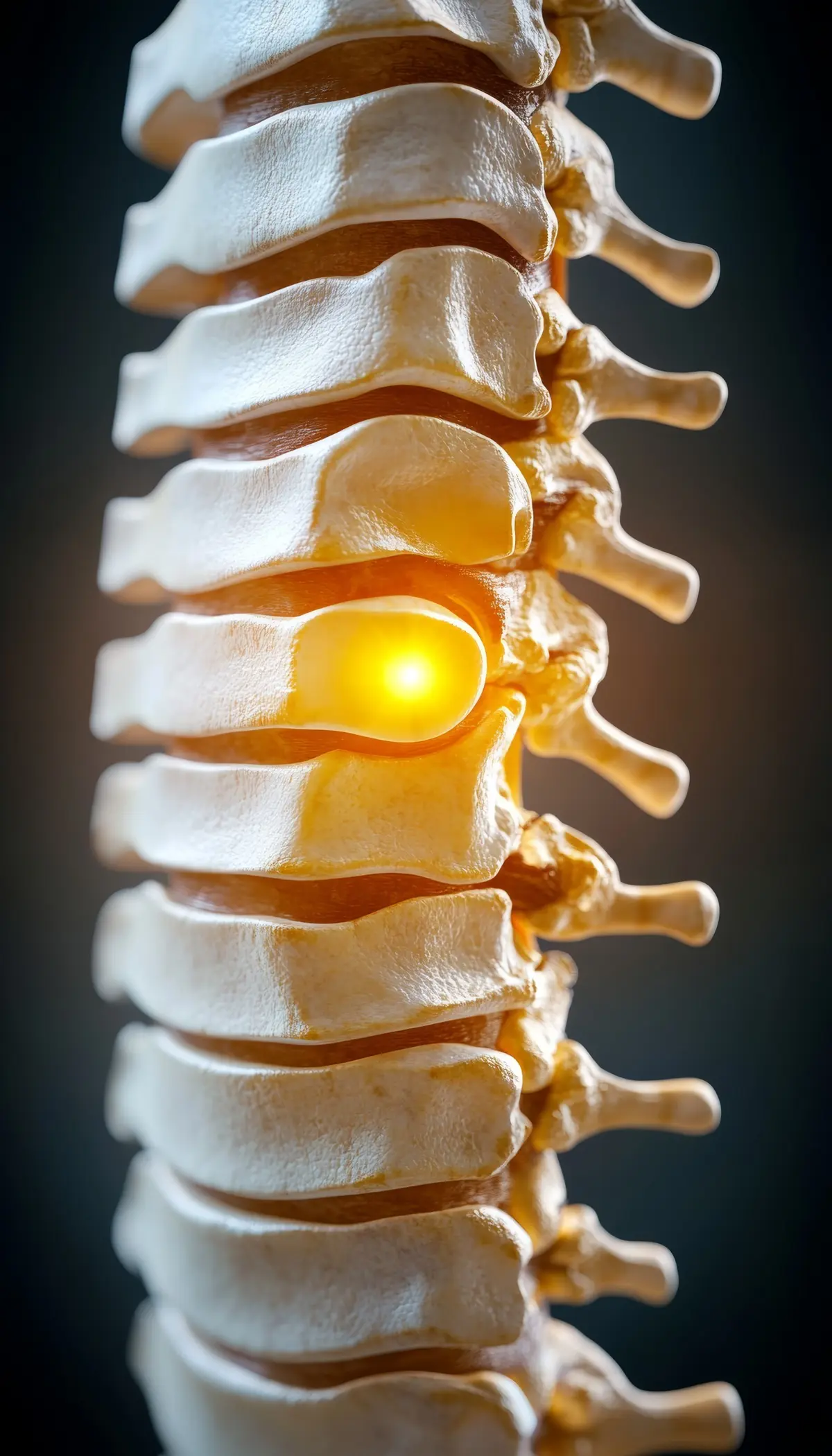
Spinal stenosis develops gradually, often going unnoticed until symptoms become severe enough to interfere with daily activities. This progressive narrowing of the spinal canal creates pressure on nerves and can lead to debilitating pain, numbness, and mobility issues if left untreated. Recognizing the early warning signs allows for prompt intervention and better long-term outcomes.
New York Spine Specialist has extensive experience diagnosing and treating spinal stenosis in patients throughout New York and New Jersey. Our comprehensive approach combines advanced diagnostic techniques with personalized treatment plans to help patients regain comfort and mobility. Understanding the subtle early symptoms of spinal stenosis empowers you to seek timely care before the condition significantly impacts your quality of life.
Understanding Spinal Stenosis Development
Spinal stenosis occurs when the spaces within your spine narrow, putting pressure on the nerves that travel through the spine. This narrowing can happen in different areas of the spine, with lumbar stenosis affecting the lower back and cervical stenosis affecting the neck region. The condition typically develops over years as various structures in the spine undergo changes. Several factors contribute to spinal narrowing. Arthritis is the most common cause, as joint inflammation leads to bone spur formation and ligament thickening. Herniated discs can also encroach on spinal space, while age-related changes cause ligaments to become less flexible and more prone to thickening.
The spinal canal naturally varies in size from person to person. Some individuals are born with smaller spinal canals, making them more susceptible to stenosis as even minor changes can create significant pressure on nerves. Others may have larger canals that provide more room before symptoms develop. Stenosis progresses differently for each patient. Some experience gradual worsening over many years, while others may notice more rapid changes following injury or periods of increased inflammation. Understanding this variability helps explain why early detection and monitoring are so important for optimal outcomes.
Early Warning Signs You Shouldn’t Ignore
The initial symptoms of spinal stenosis are often subtle and may be mistaken for normal aging or temporary muscle strain. Back pain that comes and goes, particularly after standing or walking for extended periods, can be an early indicator. This pain typically improves with sitting or leaning forward, a characteristic pattern known as neurogenic claudication.
Leg pain or cramping that develops during walking and improves with rest may signal lumbar stenosis. Many patients notice they can walk longer distances when leaning on a shopping cart or using a walker, as the forward-leaning position opens up space in the spinal canal. This “shopping cart sign” is a classic early symptom.
Numbness or tingling in the legs, feet, arms, or hands can indicate nerve compression from spinal narrowing. These sensations may come and go initially but tend to become more frequent and persistent as the condition progresses. Some patients describe feeling like they’re wearing tight gloves or socks. Weakness in the arms or legs may develop gradually and become noticeable during specific activities. You might find it harder to grip objects, button clothing, or maintain balance while walking. These changes often occur so slowly that patients adapt their behavior without realizing the underlying cause.
Recognizing the Progression Pattern
Spinal stenosis symptoms typically follow a predictable pattern of progression. Early stages may involve intermittent discomfort that patients attribute to overexertion or stress. As narrowing increases, symptoms become more frequent and severe, eventually interfering with daily activities. The distance you can walk before experiencing symptoms often decreases over time. Initially, you might walk several blocks before noticing leg pain or cramping. As stenosis progresses, this distance may shrink to just a few hundred feet or even shorter distances.
Sleep disturbances may occur as symptoms begin affecting nighttime comfort. Some patients experience leg cramping or numbness that wakes them from sleep, particularly if they sleep in positions that further narrow the spinal canal. Balance problems and increased fall risk can develop as nerve compression affects proprioception and muscle strength. These changes may be subtle at first but become more pronounced as the condition advances.
Risk Factors and Prevention Strategies
Age is the primary risk factor for spinal stenosis, with most cases occurring in people over 50. However, younger individuals with congenital spinal abnormalities, previous spine injuries, or certain genetic conditions may develop stenosis earlier in life. Previous spine surgery or trauma can alter spinal anatomy and increase stenosis risk. Scar tissue formation and changes in spinal alignment following injury or surgical procedures may contribute to canal narrowing over time.
Lifestyle factors play a role in stenosis development and progression. Maintaining good posture, staying physically active, and managing weight can help preserve spinal health. Regular exercise strengthens supporting muscles and maintains flexibility, potentially slowing the progression of stenosis. Occupational hazards that involve repetitive spine stress, heavy lifting, or prolonged sitting may increase stenosis risk. Taking breaks, using proper body mechanics, and incorporating stretching into your daily routine can help protect your spine from excessive wear.
When to Seek Professional Evaluation
Persistent back or neck pain that doesn’t improve with rest and over-the-counter pain relievers warrants professional evaluation. If you notice pain patterns that worsen with certain positions or activities, particularly standing or walking, consider scheduling a consultation.
Progressive weakness, numbness, or tingling in your arms or legs should prompt immediate medical attention. These symptoms indicate nerve compression that may worsen without appropriate treatment. Early intervention often leads to better outcomes and may prevent permanent nerve damage. Changes in bowel or bladder function, severe weakness, or sudden onset of symptoms require urgent evaluation. These signs may indicate severe spinal compression that needs immediate medical intervention to prevent permanent complications.
Contact New York Spine Specialist for Expert Care
Early recognition of spinal stenosis symptoms allows for more effective treatment options and better long-term outcomes. Our team at New York Spine Specialist provides comprehensive evaluations using advanced diagnostic imaging and specialized testing to accurately assess spinal narrowing and nerve compression. We develop individualized treatment plans that may include physical therapy, medication management, minimally invasive procedures, or surgical options when necessary.
Don’t wait for symptoms to worsen before seeking professional care. Our experienced specialists understand the progressive nature of spinal stenosis and work with patients to implement strategies that preserve function and improve quality of life. With multiple locations throughout New York and New Jersey, we make expert spine care accessible when you need it most. Contact New York Spine Specialist today at (516) 355-0111 or schedule your consultation through our contact form.