
Living with scoliosis as an adult can be challenging, particularly as the condition progresses and leads to discomfort or pain. If you’re dealing with spinal curvature, it’s crucial to understand your treatment options for managing scoliosis in adults. Seeking scoliosis treatment in New York can provide valuable insights into how to best address the condition. In this guide, New York Spine Specialist will help you explore the causes and symptoms of scoliosis in adults and when surgery might be necessary.
What Is Scoliosis in Adults?
Scoliosis in adults refers to the abnormal curvature of the spine that may develop or worsen over time. While scoliosis is often diagnosed in childhood or adolescence, it can progress in adulthood from aging or degenerative changes in the spine. Causes of adult spinal curvature include the natural wear and tear of the spine’s discs and joints or a previous scoliosis diagnosis that wasn’t fully addressed. The curvature may intensify as the spine changes with age, leading to discomfort or other health issues.
Symptoms of Scoliosis in Adulthood
Recognizing the symptoms of scoliosis in adulthood is key to managing the condition effectively. Common signs include:
- Back pain or stiffness, which can worsen with activity
- Noticeable changes in posture, like uneven shoulders or hips
- Numbness, tingling, or weakness in the legs due to nerve compression
- Difficulty with balance or walking
- Increased fatigue after standing or walking
These symptoms can interfere with your daily life, so it’s important to seek medical advice if you notice them. Early intervention can prevent the condition from worsening and help you avoid complications.
Adult Scoliosis Treatment Options
There are several adult scoliosis treatment options. For many, non-surgical scoliosis management provides relief. Such options include:
- Physical therapy: Physical therapy is a key treatment for managing scoliosis in adults. It focuses on strengthening the muscles that support the spine, which helps improve posture and reduce strain on the back.
- Bracing: While bracing is commonly used in children with scoliosis, it can also be an effective treatment for adults, especially if the curve is progressing or causing pain. Braces work by providing external support to the spine, helping to slow the progression of the curve and reduce discomfort.
- Pain management: Pain can be mitigated through a proper regimen of medications or injections.
- Lifestyle changes: Making certain lifestyle changes can have a significant impact on managing scoliosis in adults. Low-impact exercises like swimming, walking, or cycling can improve cardiovascular health without putting undue strain on the spine. These activities help maintain muscle strength and flexibility.
Depending on the severity of your condition and how it impacts your life, you may need to try more than one (if not all) of these in tandem.
When Is Surgery for Scoliosis Necessary?
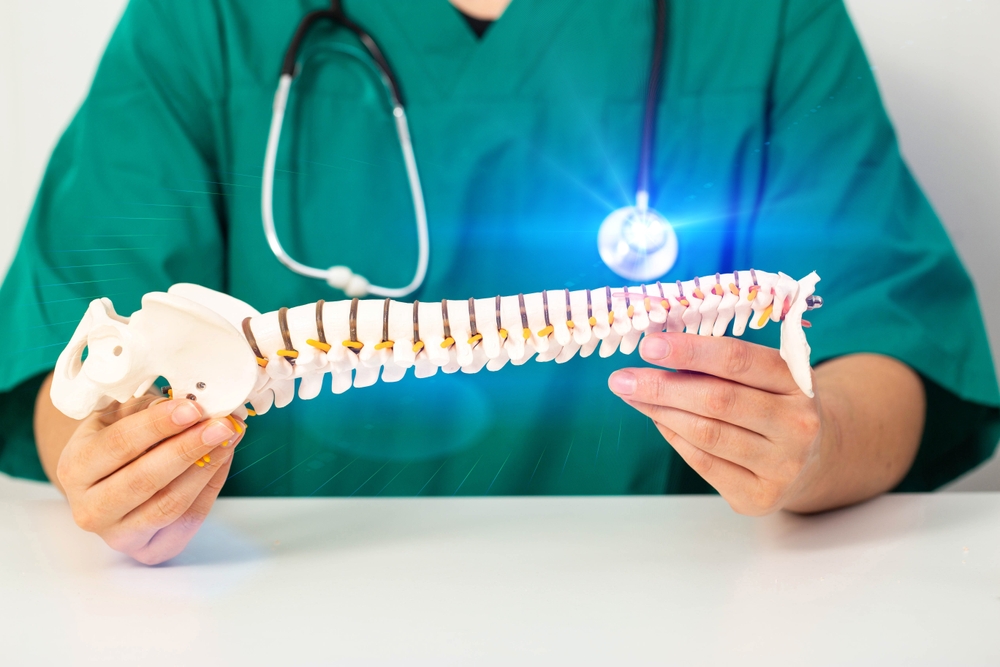
If non-invasive treatments don’t yield satisfactory results, you may need to consider scoliosis surgery for adults. Surgery is typically recommended when the curve is more than 45-50 degrees or if the condition is causing significant pain, difficulty breathing, or nerve compression. Spinal fusion surgery, one of the most common procedures, involves fusing two or more vertebrae to prevent further curvature. While this surgery is effective, it requires a longer recovery period and should only be considered after careful evaluation.
Managing Scoliosis With Proper Spine Care
Spine care for scoliosis is essential for managing the condition and preventing further complications. Regardless of the treatment option you choose, maintaining good spinal health can help alleviate symptoms and improve overall well-being. Key practices include:
- Maintaining proper posture and body mechanics
- Engaging in regular exercises that strengthen the core and improve flexibility
- Avoiding heavy lifting or activities that strain the spine
- Monitoring any changes in your condition and consulting a healthcare provider when necessary
Focusing on spine care can help slow the progression of scoliosis and reduce the risk of related issues like spinal stenosis or arthritis.
Take Control of Your Spine Health With New York Spine Specialist
At New York Spine Specialist, we understand how scoliosis in adults can affect your quality of life. Whether you opt for non-surgical scoliosis management or need scoliosis surgery for adults, we are here to guide you toward the best treatment plan. If you’re exploring options, spinal stenosis treatment may be a less invasive solution to consider.
We are committed to helping you manage your spine health and provide you with the personalized care you need. For more information, reach out to us at (516) 355-0111. Our doctors accept most insurance plans, including workers’ compensation, no-fault, and PIP (personal injury protection). Same-day appointments may be available.