
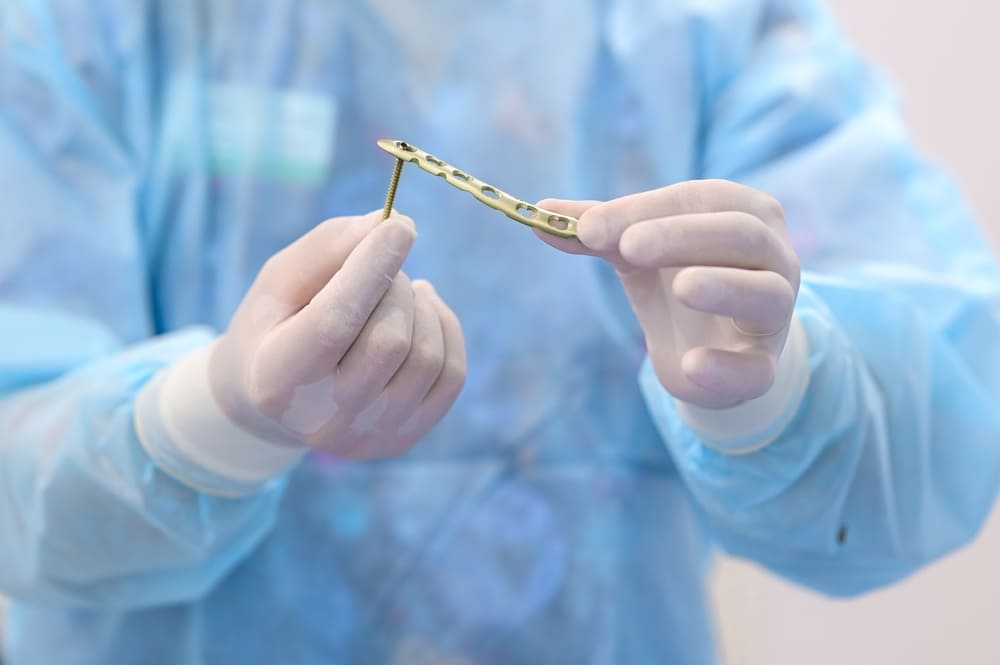
Living with chronic lower back pain can make even simple tasks feel impossible. When conservative treatments fail to provide relief, surgery may become necessary to restore function.
If you are exploring surgical options, consulting a spine specialist in New York can help you understand your choices. Minimally invasive lumbar fusion offers a modern approach to stabilizing the spine while reducing the normal recovery time associated with surgery. At New York Spine Specialist, we help patients find lasting relief through advanced surgical techniques, so read on to learn more.
Understanding Spinal Fusion and How It Works
Spinal fusion involves surgically joining two or more vertebrae to create lasting stability. Over time, the vertebrae fuse into a single solid unit, reducing movement that can cause pain.
This surgery addresses conditions where abnormal motion causes nerve irritation or chronic discomfort. Traditional spinal fusion techniques require large incisions, but modern options, including minimally invasive lumbar spine fusion procedures, achieve the same results through much smaller openings.
The Benefits of Minimally Invasive Spine Surgery
The benefits of minimally invasive spine surgery make it an attractive option for many patients. Smaller incisions mean less trauma to surrounding muscles and soft tissues. Patients typically experience the following advantages:
- Reduced blood loss: Smaller openings limit bleeding during the procedure.
- Shorter hospital stays: Many patients return home within 24 to 36 hours.
- Less post-operative pain: Minimal muscle disruption decreases discomfort.
- Lower infection risk: Smaller wounds have fewer complications.
According to research published in the Journal of Orthopaedic Case Reports, minimally invasive spinal fusion procedures produce successful bone fusion in roughly 90% to 100% of patients, with effectiveness comparable to traditional open surgical approaches.
When a Spine Surgeon in New York May Recommend This Procedure
A spine surgeon in New York may suggest minimally invasive lumbar fusion surgery when other treatments have not worked. Physical therapy, medications, and injections often serve as first-line approaches.
Surgery often becomes appropriate for specific conditions, including:
- Degenerative disc disease: Worn discs cause painful vertebral movement.
- Spondylolisthesis: One vertebra slips forward over another.
- Spinal stenosis with instability: Narrowed spinal canals compress nerves.
- Recurrent herniated discs: Repeated disc problems require permanent stabilization.
Minimally Invasive Fusion vs. Traditional Fusion: What’s the Difference?
Comparing minimally invasive fusion versus traditional fusion reveals significant differences. Open surgery requires incisions of five to six inches and cutting through muscle tissue.
Minimally invasive techniques use incisions smaller than one inch. Surgeons insert tubular retractors to separate muscles rather than detaching them from the bone.
Research published in Orthopaedic Surgery reports that minimally invasive spinal fusion is associated with relatively low complication rates, with some studies finding adverse events in only about 7% of patients. According to Health Services Research, approximately 4.8% of patients experience complications within 90 days following lumbar spinal fusion, indicating that the procedure is generally safe when performed under appropriate clinical conditions. This explains why many providers may recommend this approach for treatment.
Minimally Invasive Spinal Fusion Recovery Time
The minimally invasive spinal fusion recovery time varies based on individual factors. Most patients return to normal activities within two to six weeks.
The first two weeks typically require rest and prescription pain management. Walking programs often begin shortly after surgery to promote healing.
Your surgeon may clear you for desk work within a few weeks if your job does not involve heavy lifting. Full recovery may take several months while the fusion solidifies.
Are You Looking for a Spine Specialist in New York?
Minimally invasive lumbar fusion stabilizes the spine while minimizing surgical trauma. Our team at New York Spine Specialist offers expert evaluations for patients dealing with lumbar spine pain who have not found relief through conservative care.
Our doctors accept most insurance plans, including workers’ compensation, no-fault, and PIP (personal injury protection). Same-day appointments may be available.
Call New York Spine Specialist at (516) 355-0111 to discuss minimally invasive lumbar fusion options in New York.
FAQs About Lumbar Fusion for Spine Stability
Here are answers to common questions about this procedure.
How Long Does Surgery Take?
The procedure typically takes two to four hours, depending on the number of spinal levels involved.
Will I Need Physical Therapy Afterward?
Most patients benefit from physical therapy beginning several weeks after surgery to rebuild strength and flexibility.
What Conditions Does This Procedure Treat?
This surgery treats degenerative disc disease, spondylolisthesis, spinal stenosis, and recurrent herniated discs.
Is Minimally Invasive Lumbar Fusion Right for Everyone?
Not all patients qualify for minimally invasive lumbar fusion, as certain complex conditions may require traditional open surgical approaches. Your doctor will evaluate your spine health and medical history to determine the best treatment option.