
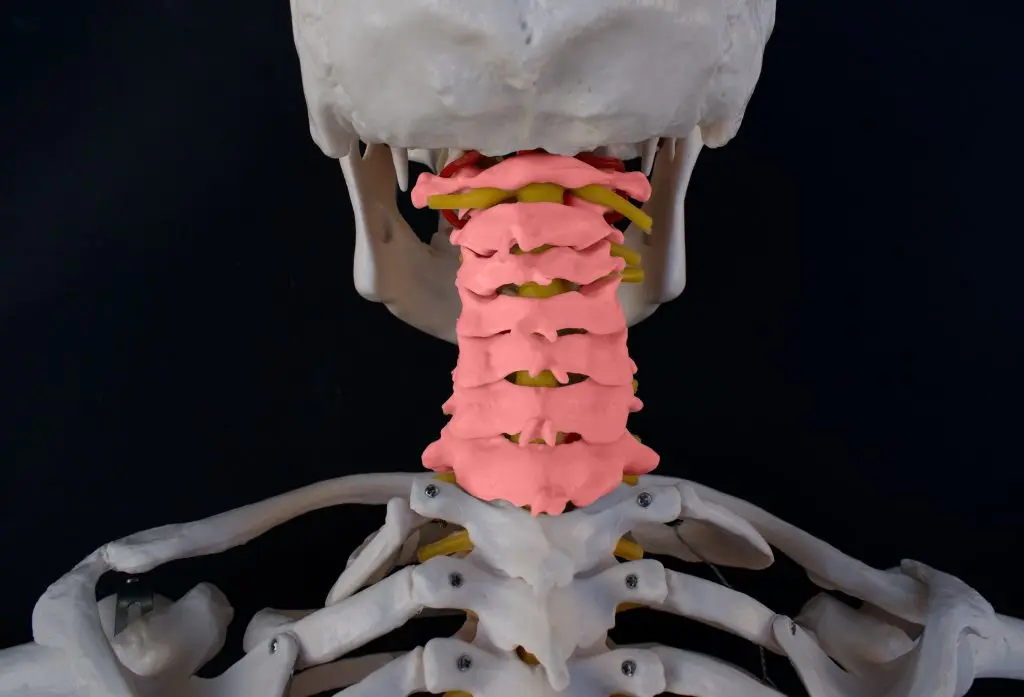
Neck pain radiating down your arm can be debilitating, affecting every aspect of your daily life, from sleep to work performance. When this pain stems from a compressed nerve in your cervical spine, a cervical posterior foraminotomy may provide significant relief by removing the pressure on the affected nerve root. This minimally invasive surgical approach targets the specific area of compression without disrupting the stability of your spine.
At New York Spine Specialist in New Jersey, we offer advanced cervical posterior foraminotomy procedures to patients throughout New Jersey. Our board-certified physicians have extensive training in performing this targeted surgical technique that may help alleviate your pain while preserving normal neck motion. We understand cervical nerve compression’s impact on your quality of life and are committed to providing effective treatment options.
This procedure is used to relieve pressure on compressed nerve roots in the neck. The term “foraminotomy” refers to the enlargement of the foramen, which is the opening where nerve roots exit the spinal canal. When this passageway becomes narrowed due to disc herniation, bone spurs, or other degenerative changes, the resulting nerve compression can cause significant pain and neurological symptoms.
Unlike anterior cervical procedures that access the spine through the front of the neck, a posterior approach reaches the spine from the back. This technique allows surgeons to directly visualize and address the compressed nerve without needing to remove the disc or place implants. By preserving the disc and avoiding fusion, this procedure may help maintain normal neck motion and flexibility.
The posterior approach to cervical decompression offers several distinct benefits:
This is particularly valuable for patients with isolated nerve compression on one side of the spine, as it enables targeted treatment of the affected area without unnecessary disruption to healthy structures.
This procedure is typically considered for patients experiencing symptoms of cervical radiculopathy (nerve root compression) who haven’t responded adequately to conservative treatments. Your doctor may recommend a cervical posterior foraminotomy if:
Your symptoms include radiating arm pain, numbness, tingling, or weakness that corresponds to a specific nerve root. Diagnostic imaging shows evidence of foraminal narrowing or disc herniation, causing nerve compression. The compression is primarily located on one side rather than affecting the spinal cord itself. Physical therapy, medications, and injections have not provided sufficient relief.
A comprehensive evaluation is necessary to determine if this treatment is best for your condition. During consultation, we will review your medical history, perform a detailed neurological examination, and analyze your imaging studies to assess whether a posterior foraminotomy may be beneficial for your particular case.
The ideal candidates for cervical posterior foraminotomy typically include:
For patients with different conditions or more complex issues, alternative surgical approaches may be more appropriate. Our physicians will thoroughly discuss all options to help you make an informed decision about your care.
Knowing what to expect helps to alleviate concerns about undergoing surgery. While specific techniques may vary based on individual patient needs, the general process follows these steps:
After administering anesthesia, your spinal surgeon makes a small incision at the back of the neck over the affected level. Using specialized instruments and often microscopic visualization, the surgeon carefully creates a pathway to the compressed nerve by removing a small amount of bone and ligament tissue. Once the nerve is identified, any disc fragments or bone spurs compressing the nerve are meticulously removed. The surgeon then verifies that the nerve has been adequately decompressed before closing the incision.
The procedure typically takes around one to two hours to complete. Generally, patients notice an immediate improvement in their arm pain upon waking from anesthesia, though complete recovery takes time as the nerve heals from the previous compression.
Recovery from a cervical posterior foraminotomy is generally faster than recovery from fusion procedures. Most patients can expect the following:
While arm pain often improves rapidly after surgery, numbness, tingling, and weakness may take longer to resolve as the nerve gradually recovers. Following your doctor’s post-operative instructions carefully is crucial for optimal healing and long-term outcomes.
At New York Spine Specialist, our New Jersey specialists are rated in the top 1% of doctors in NY/NJ and are affiliated with some of the most recognized hospitals, including New York Presbyterian Hospital in lower Manhattan, Hudson Regional Seacaucus, Northwell, Bayone Hospital, Carewell Health Medical Center in East Orange, NJ, and Brooklyn Hospital in Brooklyn, NY. Our multilingual staff speaks Spanish, Italian, French, Korean, Cantonese, and Mandarin, ensuring clear communication throughout your treatment journey.
We combine advanced surgical techniques with personalized care to address your specific spinal concerns. Our approach focuses on the least invasive solution for your condition, helping you achieve pain relief with minimal disruption to your life. To learn more about cervical posterior foraminotomy and whether it might be right for you, call us at (516) 979-3435 or schedule a consultation through our contact form