
Please ensure Javascript is enabled for purposes of website accessibility

Lumbar Epidural Steroid Injections in New Jersey

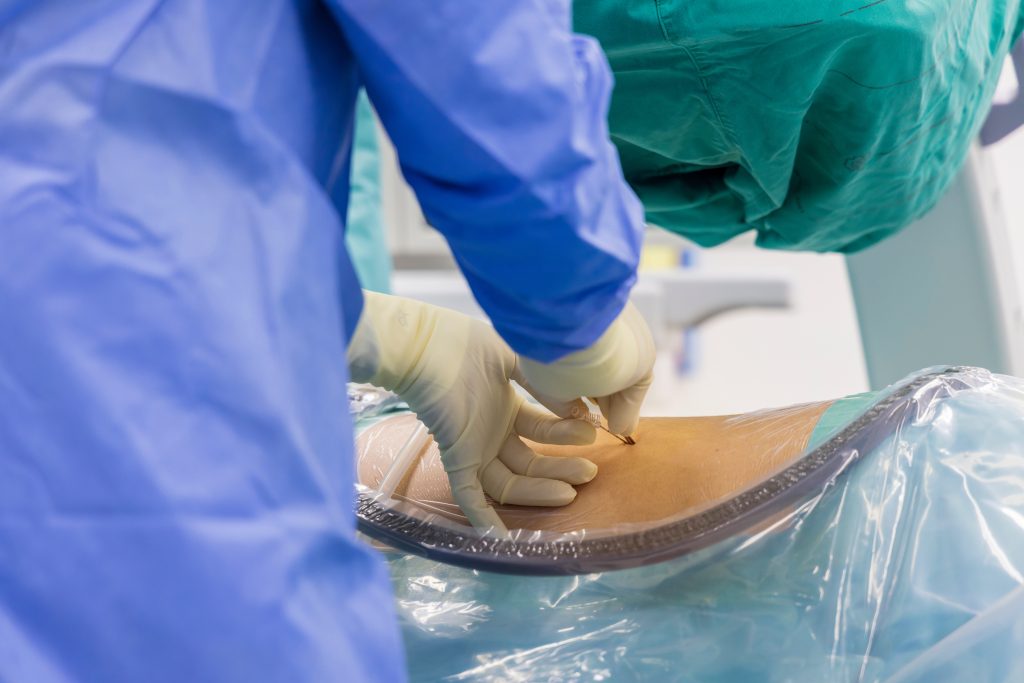
AdobeStock 358738403 - New York Spine Surgery

Chronic lower back pain radiating down your legs can make even the smallest movements, like bending to tie your shoes or walking up stairs, unexpectedly painful. When conservative measures like physical therapy and medication provide inadequate relief, lumbar epidural steroid injections offer a targeted intervention that delivers powerful anti-inflammatory medication directly to the source of nerve irritation, potentially providing months of significant pain reduction without the risks and recovery time of surgery.

At New York Spine Specialist in New Jersey, our physicians perform advanced lumbar epidural steroid injections for patients. Our comprehensive approach includes precise image guidance to ensure accurate medication delivery to the specific areas causing your symptoms. With convenient New Jersey locations, we provide accessible, specialized care designed to help patients experiencing lumbar radiculopathy, spinal stenosis, and other nerve-related back conditions achieve meaningful pain relief and improved function.

Understanding Lumbar Epidural Steroid Injections

Lumbar epidural steroid injections (LESIs) represent a targeted interventional pain management approach that addresses nerve inflammation in the lower spine:

The Procedure Explained

This minimally invasive technique delivers medication precisely where it’s needed most:

  • The injection targets the epidural space—the area surrounding the spinal cord and nerve roots
  • A combination of corticosteroid medication and local anesthetic addresses both inflammation and pain
  • Advanced imaging guidance (fluoroscopy or CT) ensures accurate needle placement
  • It typically takes 15-30 minutes and requires minimal recovery time
  • Most patients can return home within an hour of the procedure

Unlike oral medications that affect your entire system, epidural injections concentrate medication directly around inflamed nerve tissue.

How Steroid Injections Reduce Pain

The therapeutic effects work through several complementary mechanisms:

  • The corticosteroid medication reduces inflammation surrounding compressed or irritated nerve roots. 
  • This anti-inflammatory effect decreases swelling, allowing more space for affected nerves. 
  • By interrupting the pain-inflammation cycle, the injection may create lasting relief beyond the medication’s direct action. 
  • The local anesthetic component provides immediate, temporary pain relief while the steroid begins working.

While not a permanent solution for structural problems, these injections can provide significant symptom relief lasting from weeks to months.

Conditions Treated with Lumbar Epidural Injections

Several specific spine conditions respond particularly well to this interventional approach:

Lumbar Radiculopathy (Sciatica)

When nerve roots become compressed or irritated in the lower spine:

  • The resulting inflammation causes pain that radiates along the sciatic nerve pathway.
  • Patients typically experience sharp, shooting pain down the buttock and leg, often with numbness or tingling. The pain frequently worsens with certain movements or positions.

Epidural injections can significantly reduce this nerve inflammation, often providing substantial relief from radiating symptoms.

Lumbar Spinal Stenosis

This condition involves the narrowing of the spinal canal that houses nerve structures. Progressive narrowing places pressure on the spinal cord and nerve roots. Patients typically experience pain or cramping in the legs when walking or standing. Symptoms often improve with sitting or leaning forward. Epidural injections can reduce inflammatory swelling in the narrowed areas, potentially improving walking tolerance and standing comfort.

Lumbar Disc Herniations

When disc material protrudes and contacts nearby nerves:

  • The herniated material releases inflammatory chemicals that irritate nerve tissue. 
  • Mechanical compression from the herniation further compounds nerve irritation. 
  • Patients experience both local back pain and radiating leg symptoms.

Injections can address both the chemical irritation and inflammatory response, potentially providing significant relief even if the structural herniation remains.

Degenerative Disc Disease

As intervertebral discs deteriorate over time:

  • Inflammatory proteins may leak from compromised discs, irritating nearby nerves. 
  • Disc height loss can narrow the spaces where nerves exit the spine. 
  • Patients often experience positional pain that worsens with certain movements.

Epidural injections can calm this inflammation, potentially interrupting the pain cycle, while other treatments address the underlying degeneration.

Benefits of Choosing Lumbar Epidural Injections

This interventional approach offers several distinct advantages for patients with appropriate conditions:

Minimally Invasive Relief

Epidural injections provide significant therapeutic benefit with minimal intervention:

  • The procedure requires only a small needle insertion rather than a surgical incision
  • No tissue removal or permanent structural changes occur
  • Recovery time measured in hours rather than weeks or months
  • The risk profile remains significantly lower than surgical alternatives
  • It can be performed on an outpatient basis without hospital admission

This minimally invasive nature makes epidural injections an excellent option before considering more invasive surgical interventions.

Diagnostic Value

Beyond therapeutic benefits, these injections provide valuable diagnostic information:

  • If your pain improves following the injection, it confirms that inflammation around specific nerves is contributing to your symptoms. 
  • The degree and duration of relief help predict whether you might benefit from other interventions targeting the same area. 
  • A lack of response may indicate that other pain generators or structural issues require different approaches.

This diagnostic information proves invaluable in developing comprehensive treatment plans for complex spine conditions.

Bridge to Functional Improvement

Epidural injections create therapeutic windows for other treatments:

  • The pain relief period allows for more effective physical therapy participation. 
  • Patients can work on core strengthening and flexibility that might otherwise be too painful. 
  • Improved function during the relief period may create lasting mechanical improvements.

This synergistic effect with rehabilitation often produces better long-term outcomes than either approach alone.

Advanced Injection Techniques at Our New Jersey Centers

Our New Jersey specialists employ contemporary approaches that enhance traditional epidural injection techniques:

Precision Delivery Methods

Several specific approaches allow for targeted medication placement:

  • The interlaminar approach delivers medication broadly across the posterior epidural space, addressing multiple nerve roots simultaneously. 
  • The transforminal technique targets specific nerve roots as they exit the spine, which is particularly beneficial for lateral disc herniations. 
  • The caudal approach accesses the epidural space through the sacral hiatus, which is useful for patients with previous lumbar surgery or hardware.

Our physicians select the optimal approach based on your specific pathology and symptom pattern.

Image-Guided Precision

Advanced visualization ensures accurate medication delivery:

  • Real-time fluoroscopic imaging provides continuous visualization during needle placement. 
  • Contrast material confirms proper needle position within the epidural space before medication delivery. 
  • This precision targeting maximizes therapeutic benefits while minimizing risks.

These imaging technologies substantially enhance both the safety and efficacy of the procedure.

The Epidural Injection Experience at Our New Jersey Facilities

Patients choosing lumbar epidural injections at our New Jersey locations can expect a streamlined experience:

Preprocedural Preparation

Thorough preparation ensures optimal procedural outcomes:

  • A comprehensive consultation evaluates your condition and determines if epidural injections represent an appropriate treatment option. 
  • Advanced imaging studies precisely define the anatomical sources of your symptoms. 
  • Detailed procedural education prepares you for what to expect during and after the injection. 
  • Medication adjustments may be recommended before the procedure (particularly for blood thinners).

This preparation helps ensure both safety and effectiveness.

The Injection Procedure

On the day of your injection, established protocols ensure comfort and efficiency:

  • You’ll be positioned comfortably on the procedure table, typically lying face down
  • The injection area will be cleaned and draped using a sterile technique
  • A local anesthetic will numb the skin and tissues at the injection site
  • Using fluoroscopic guidance, the physician will direct the needle to the epidural space
  • Contrast material confirms correct needle placement
  • The steroid-anesthetic mixture is slowly injected around the targeted nerve tissues

Most patients have minimal discomfort during this procedure due to local anesthesia and skilled technique.

Postprocedural Recovery

Following your injection, structured protocols guide your immediate recovery:

  • A brief monitoring period (typically 15-30 minutes) ensures that no immediate complications occur. 
  • You’ll receive specific instructions for activities in the first 24-48 hours after the procedure.
  •  Most patients can return to light activities the same day, with a gradual return to normal activities over the following days. 
  • Documentation of your pain levels helps track the injection’s effectiveness.

This comprehensive approach optimizes both safety and therapeutic benefits.

Expected Outcomes and Timing of Relief

Understanding the typical response pattern helps set appropriate expectations:

  • Many patients experience three distinct phases of relief following the injection. 
  • The immediate phase (first few hours) reflects the local anesthetic effect, providing substantial but temporary relief. 
  • The intermediate phase (1-3 days) may involve temporary symptom fluctuation as the anesthetic wears off before the steroid takes full effect. 
  • The therapeutic phase (beginning around day 3) represents the steroid’s anti-inflammatory action, potentially lasting weeks to months.

Individual responses vary based on your specific condition, inflammation severity, and other factors.

Frequently Asked Questions About Lumbar Epidural Injections

Patients commonly have several questions about this procedure:

How many injections might I need?

Treatment protocols typically involve:

  • A series of up to three injections may be performed at 2-4 week intervals, depending on your response. 
  • Some patients achieve sufficient relief from a single injection. 
  • Others benefit from the cumulative effect of multiple injections in the series. 
  • Your physician will evaluate your response after each injection to determine if additional procedures would be beneficial.

This individualized approach maximizes therapeutic benefits while minimizing unnecessary procedures.

All medical procedures carry some risks. The following are side effects you should know:

  • Common minor side effects include a temporary increase in pain, injection site soreness, and mild fluid retention. 
  • Rare but more serious complications include infection, bleeding, nerve damage, or allergic reactions. 
  • A temporary elevation in blood sugar levels may occur, particularly in diabetic patients.

Our protocols minimize these risks through sterile technique, imaging guidance, and careful patient selection.

Most patients can resume light activities quickly:

  • Desk work or light duty can typically be resumed the day after the procedure. 
  • More physically demanding occupations may require 2-3 days before returning to full duties. 
  • Your physician will provide specific guidance based on your job requirements.

Individual recommendations depend on your specific occupation and response to the procedure.

Contact Our New Jersey Injection Specialists

Lumbar epidural steroid injections offer a valuable treatment option for patients suffering from inflammation-related back and leg pain. At New York Spine Specialist, our board-certified physicians are rated in the top 1% of doctors in NY/NJ and are affiliated with prestigious institutions, including Hudson Regional Seacaucus, Carewell Health Medical Center, and other recognized hospitals throughout the region. 

Our multilingual staff speaks Spanish, Italian, French, Korean, Cantonese, and Mandarin to ensure clear communication throughout your care. For a personalized evaluation of your spine condition and to determine if lumbar epidural injections might be appropriate for your situation, call our New Jersey office at (551) 550-7246 or connect through our contact form.