
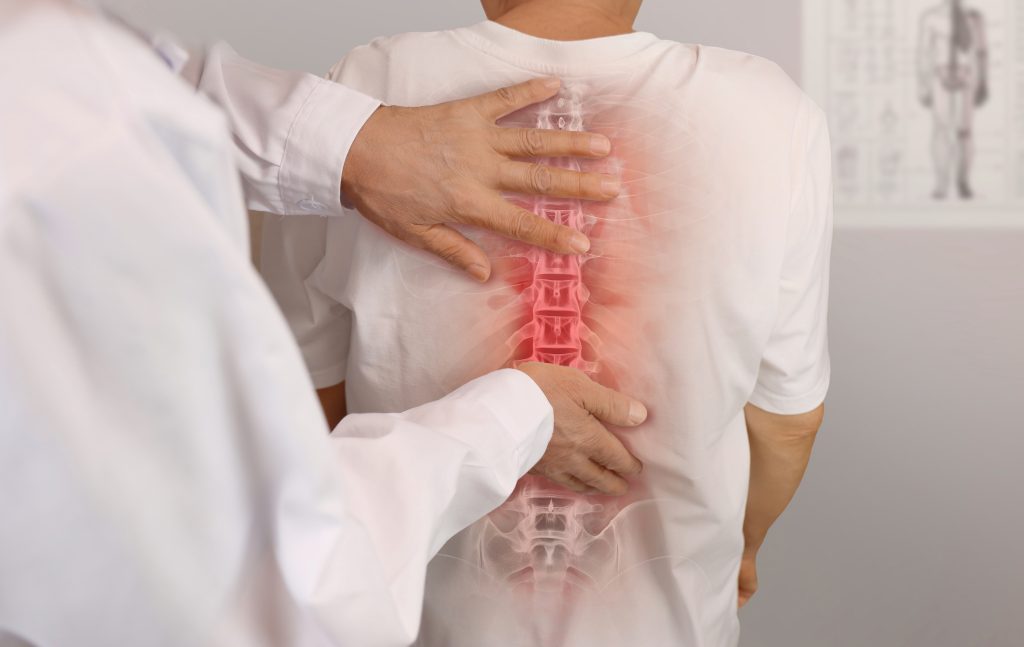
When an initial spine surgery doesn’t deliver the expected results, it can be frustrating. Persistent pain, new symptoms, or limited mobility after a procedure meant to bring relief can leave you questioning your next steps. Revision spine surgery addresses these concerns by correcting issues from previous procedures or addressing new problems that have developed since your original surgery.
At New York Spine Specialist in New Jesery, we provide comprehensive revision spine surgery to patients throughout New Jersey. Our board-certified physicians have substantial experience handling complex revision cases that many other practices might consider too challenging. We understand the frustration and uncertainty you may feel after an unsuccessful spine procedure and are committed to developing an effective treatment plan tailored to your specific situation.
Revision spine surgery is any surgical procedure performed to correct persistent issues or complications after a previous spine operation. Unlike initial surgeries, revision procedures are inherently more complex because they must navigate through scar tissue and altered anatomy while addressing both the original issue and any new complications that have emerged.
Revision surgery may address various issues: hardware complications such as loosening or breakage, adjacent segment disease where levels above or below a fusion develop problems, persistent disc herniation, inadequate decompression from the first procedure, or progressive deformity. The complexity of revision surgery demands specialized expertise and advanced techniques to improve successful outcomes.
There are several circumstances under which revision spine surgery may become necessary:
It’s important to understand that needing revision surgery doesn’t necessarily mean your first surgeon made an error. Spine conditions are complex, and despite the best surgical technique, some patients may not achieve optimal results from their initial procedure due to individual healing factors, underlying conditions, or the progressive nature of some spine disorders.
The decision to undergo revision spine surgery requires careful consideration. Your doctor may recommend revision surgery if:
You’ve experienced minimal or no improvement in your symptoms after adequate recovery from the initial procedure. Diagnostic imaging shows clear evidence of a surgically correctable problem, such as pseudarthrosis, hardware failure, or recurrent disc herniation. New neurological symptoms have developed that correlate with diagnostic findings. Conservative treatments have not given relief for your persistent or new symptoms.
An evaluation is essential before proceeding with revision surgery. This typically includes comprehensive imaging studies, possibly including CT scans, MRIs, and sometimes specialized tests like discograms or nerve studies. Our physicians will carefully review your medical history, previous surgical records, and current symptoms to determine whether revision surgery may benefit your specific condition.
The following factors influence the likelihood of success with revision spine surgery:
Each case is unique, and our physicians will provide a realistic assessment of your individual situation, including benefits and risks, to help you make an informed decision about proceeding with revision surgery.
Revision spine surgery is highly individualized, with the specific approach determined by your unique circumstances. However, the general process includes these common elements:
First, the surgeon must address any hardware from the previous surgery, which may involve removing or revising implants. Next, scar tissue from the prior procedure is carefully navigated to access the problematic area without damaging nearby structures. Once the surgical site is accessible, the specific correction is performed, which might include enhancing fusion with additional bone graft, replacing failed hardware, decompressing nerves, or correcting spinal alignment. Finally, the surgeon ensures all corrections are secured before closing the incision.
Revision procedures typically take longer than initial surgeries due to their increased complexity. They often require more extensive preoperative planning, including specialized imaging and sometimes the use of computer-assisted navigation during surgery to enhance precision.
Recovery from revision spine surgery is generally more involved than recovery from an initial procedure. While experiences vary based on the specific surgery performed, most patients can expect the following:
Managing expectations is crucial during the recovery process. Improvement often occurs gradually, and patience is important. Our team works with you throughout your recovery journey, adjusting your rehabilitation plan as needed to optimize your outcome.
At New York Spine Specialist, our New Jersey physicians are rated in the top 1% of doctors in NY/NJ and are affiliated with some of the most recognized hospitals, including New York Presbyterian Hospital in lower Manhattan, Hudson Regional Seacaucus, Northwell, Bayone Hospital, Carewell Health Medical Center in East Orange, NJ, and Brooklyn Hospital in Brooklyn, NY. Our multilingual staff speaks Spanish, Italian, French, Korean, Cantonese, and Mandarin, ensuring clear communication throughout your treatment process.
We approach revision cases with the understanding that each patient brings a unique history and set of challenges. Our team combines extensive experience in complex spine surgeries with personalized care to address your specific concerns and goals. To learn more about revision spine surgery and whether it might be appropriate for your situation, call us at (551) 550-7246 or schedule a consultation through our contact form.