

The team with New York Spine Specialists works diligently to make certain that every patient has the information they need to make informed choices about their health and long-term mobility.
Read on as your experienced local spine surgeon in New York discusses the typical spine conditions that may lead to surgery as part of advanced evidence-based care for those experiencing severe or chronic issues.
Understanding Spine Structure and Functions That New York Spine Surgeons Address
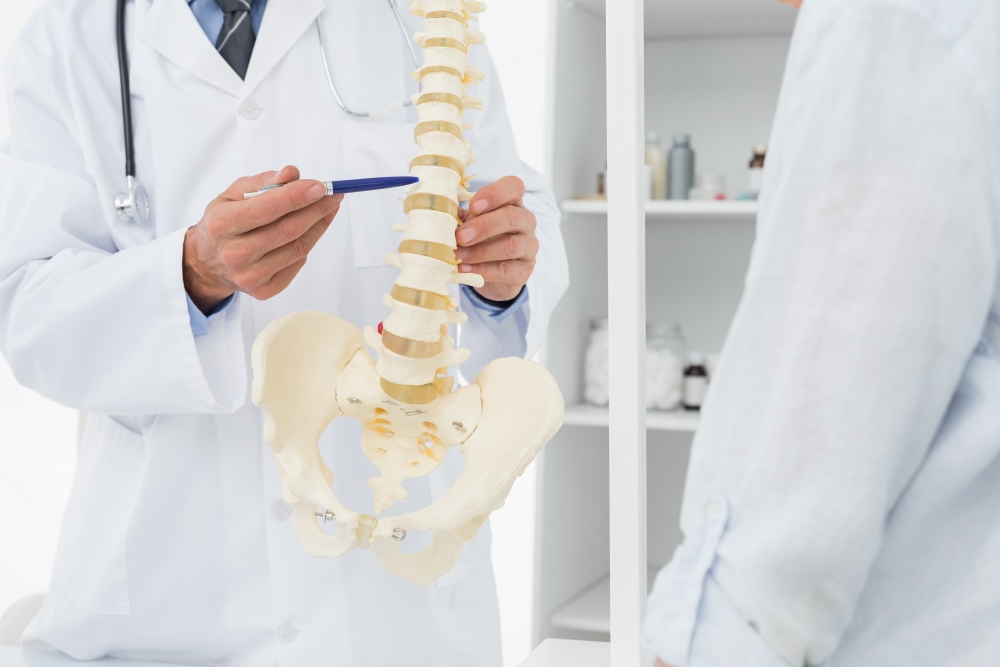
Your spine is more than just a support column. It’s a complex system that enables movement, protects the spinal cord, and maintains balance. Healthy spine structure and function depend on strong vertebrae, cushioning discs, and nerves that communicate between the brain and body.
Common spine conditions impact the lives of millions of Americans:
- Degenerative disc disease affects about 27% of Medicare beneficiaries.
- Spinal stenosis affects 11% of older adults.
- Up to 3% of adults suffer herniated discs annually.
Chronic nerve compression can stem from many of these conditions. When conservative care fails, your physician may recommend surgery to relieve pressure and preserve function.
Degenerative Disc Disease: When Wear and Tear Becomes Painful
Over time, intervertebral discs lose moisture and flexibility, leading to reduced cushioning between vertebrae. Patients may notice stiffness, lower back pain, or radiating discomfort in the neck or limbs.
Most cases respond to conservative care, including physical therapy or pain management. However, if the degeneration leads to nerve compression or spinal instability, surgical procedures such as disc replacement or fusion may be considered. These operations can stabilize the spine and relieve persistent pain when other treatments fail.
Herniated Disc: A Pressed Nerve and Radiating Pain
Herniation occurs when the interior cushioning tissue that protects a spinal disc pushes through its outer layer as the inflammation disturbs nearby nerves. It can cause sharp, radiating pain in the arm or leg, tingling, or muscle weakness. In severe cases, patients might experience bowel or bladder changes that require urgent medical care.
Surgery may be appropriate when conservative measures no longer provide relief or when weakness worsens. Microdiscectomy removes the protruding disc fragment to relieve pressure.
Spinal Stenosis: Narrowing That Restricts Movement
Stenosis refers to the narrowing of the spinal canal or nerve root openings. It often results from aging, bone spurs, or thickened ligaments. It can lead to back or neck pain, leg numbness, or difficulty walking long distances. Many patients describe relief when bending forward, which temporarily opens the narrowed spaces.
While non-surgical treatments often help, surgery is indicated when symptoms severely limit daily life or cause neurological decline. Decompression procedures like laminectomies widen the canal and restore mobility.
Scoliosis and Other Spinal Deformities
Structural irregularities like scoliosis can develop in childhood or adulthood. In adults, these curves often worsen with degenerative disc disease, leading to imbalance or chronic pain. Mild cases may only need observation or therapy, but advanced curvatures sometimes require corrective surgery.
Your surgeon can evaluate diagnostic imaging to determine if spinal fusion or instrumentation may restore balance and relieve discomfort.
Choose the Right Spine Specialist in New York for Your Care

Untreated spinal injuries often worsen over time. Recognizing the importance of spine care after a car accident or any other trauma ensures early intervention, prevents chronic pain, and reduces the likelihood of permanent damage.
Our doctors accept most insurance plans, including workers’ compensation, no-fault, and PIP (personal injury protection). Same-day appointments may be available.
Reach out to New York Spine Specialists at 516.788.7123 or contact us online to schedule a consultation with an experienced spine expert near you.
Frequently Asked Questions About Common Spine Conditions and Surgery
Here are answers to some of the questions our patients have asked about their spinal conditions.
How Long Does Recovery From Spine Surgery Take?
Recovery time from spine surgery varies depending on the procedure and the patient’s overall health. Some minimally invasive surgeries allow a return to light activity within weeks, while spinal fusions or deformity corrections may require several months of rehabilitation.
Can Untreated Spine Conditions Lead to Permanent Damage?
Yes, in some cases, untreated spine conditions can lead to permanent damage. Chronic nerve compression or severe spinal deformities can cause lasting weakness, numbness, or loss of mobility if left unaddressed, so seek an early diagnosis and consistent follow-up care to prevent long-term complications.
What Is Minimally Invasive Spine Surgery?
Minimally invasive surgical techniques use smaller incisions and specialized instruments to reduce tissue disruption for many spine conditions. These approaches often shorten hospital stays, lower infection risk, and promote faster recovery compared to traditional open surgery.