
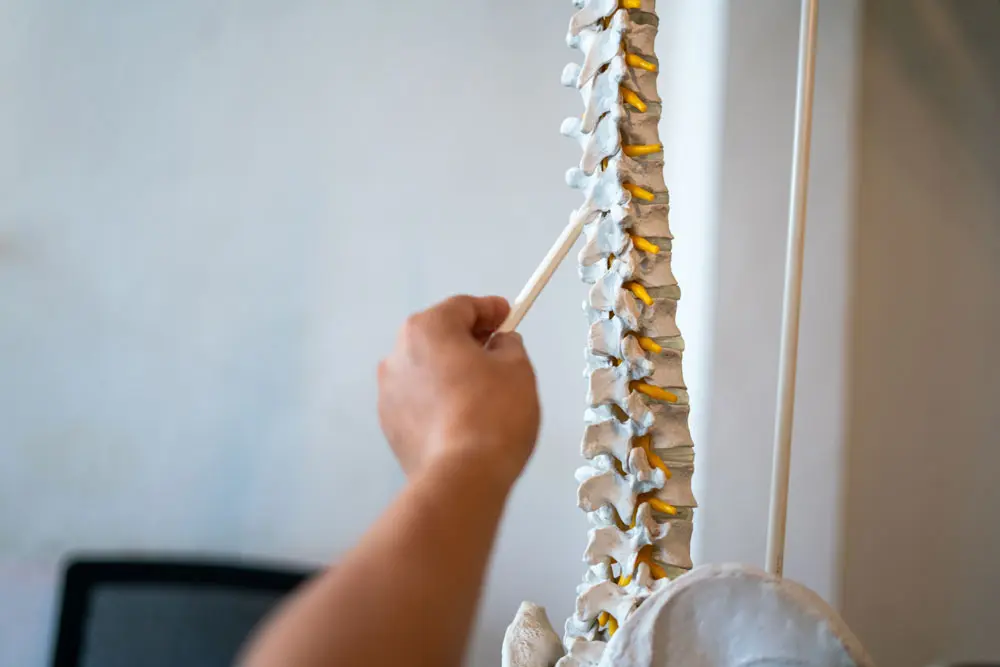
A collapsed disc can cause debilitating pain that disrupts your daily activities and diminishes your quality of life. This spinal condition occurs when an intervertebral disc loses height or integrity, potentially leading to nerve compression and a cascade of uncomfortable symptoms.
At New York Spine Specialist, we understand the challenges you face when dealing with spinal problems. Our team offers comprehensive diagnostic and treatment options for collapsed discs and other spinal conditions. With Dr. Lattuga, rated in the top 1% of doctors in NY/NJ, we provide expert care to help you regain mobility and comfort.
Understanding Collapsed Discs
A collapsed or degenerative disc occurs when a spinal disc loses its normal height and structure. Your spine consists of vertebrae separated by cushions that act as shock absorbers and allow for flexible movement.
These discs naturally contain water, which helps maintain their cushioning properties. As you age, discs gradually lose water content and become less flexible. This dehydration process can cause discs to flatten or collapse, reducing the space between vertebrae.
Unlike a herniated disc, where material protrudes outward, a collapsed disc simply narrows the space within your spine. This narrowing can put pressure on nearby nerves and affect the overall stability of your spine.
Several factors contribute to disc collapse beyond normal aging. Previous injuries, repetitive strain, smoking, and genetic factors may accelerate disc degeneration.
Common Symptoms of Collapsed Discs
The symptoms of a collapsed disc vary depending on its location and severity. Many people experience localized pain near the affected disc. This pain may feel dull and persistent or sharp and sudden with certain movements.
In the neck (cervical spine), a collapsed disc may cause pain that radiates into your shoulders, arms, and hands. You might experience numbness, tingling, or weakness in your upper extremities. Some report difficulty with fine motor skills or a sensation of electric shocks running down their arms.
When a collapsed disc occurs in your lower back (lumbar spine), pain often radiates into your buttocks, legs, and feet – a condition sometimes called sciatica. Walking, standing, or sitting for extended periods may worsen your discomfort.
Many patients notice their symptoms intensify with specific movements or positions. Bending, twisting, or lifting can trigger sharp pain. Coughing or sneezing might also temporarily increase pressure on affected nerves, causing sudden pain flares.
Changes in Symptoms Throughout the Day
A hallmark of collapsed disc problems is how symptoms fluctuate throughout the day. You might wake up feeling relatively comfortable after your spine has rested overnight.
As the day progresses and gravity compresses your spine, pain and stiffness typically increase. Many people report their worst symptoms occur in the late afternoon or evening after a full day of activity.
Certain positions may provide relief by reducing pressure on affected nerves. Some find lying down with knees bent or placing a pillow under the knees helps alleviate pain. Others discover that specific sitting positions or walking rather than standing still offer temporary comfort.
These changing patterns can help distinguish collapsed disc pain from other spinal conditions. Your spine specialist will consider these fluctuations when developing a treatment plan based on your specific situation.
Warning Signs That Require Immediate Attention
While many collapsed disc symptoms can be managed with conservative treatment, certain warning signs demand prompt medical attention. These red flags indicate potential serious complications requiring immediate evaluation.
Severe or rapidly worsening pain, especially pain unrelated to movement or position changes, warrants urgent assessment. This type of pain could signal infection, fracture, or other serious conditions beyond simple disc degeneration.
Neurological symptoms like progressive weakness, numbness spreading to multiple areas, or problems with bladder or bowel control require emergency care. These symptoms might indicate significant nerve compression, potentially leading to permanent damage if not addressed quickly.
Unexplained weight loss, fever, or night sweats accompanying your back pain need a thorough investigation. These systemic symptoms could suggest infection or other serious underlying conditions requiring specific treatment beyond standard disc therapies.
When to Consult a Spine Specialist
Not all back pain requires specialist care, but certain situations benefit from the expertise of a spine specialist. Constant pain lasting more than a few weeks despite rest and over-the-counter pain relievers suggests a condition requiring professional evaluation.
Pain radiating down your arms or legs, especially when accompanied by numbness, tingling, or weakness, indicates potential nerve involvement. These symptoms call for a proper diagnosis to identify the precise location and cause of nerve compression.
Difficulty with everyday activities due to pain or limited mobility represents another reason to seek specialized care. When back problems interfere with work, sleep, or recreational activities, a comprehensive treatment plan becomes essential for restoring function.
If you’ve previously undergone spine surgery but continue experiencing symptoms, consulting with a spine specialist helps determine whether your current problems relate to your original condition or represent new developments requiring different approaches.
Expert Spine Care for Your Collapsed Disc
Living with the symptoms of a collapsed disc can be challenging, but effective treatments exist to manage pain and improve function. At New York Spine Specialist, we provide comprehensive evaluations to accurately diagnose your condition and develop personalized treatment plans.
Our team, led by Dr. Lattug, offers expert care across multiple prestigious hospital affiliations, including New York Presbyterian Hospital, Hudson Regional Seacaucus, and Northwell. We pride ourselves on our multilingual approach, with staff speaking Spanish, Italian, French, Korean, Cantonese, and Mandarin to better serve our diverse community. Whether you need conservative management or more advanced interventions, we’re committed to helping you achieve the best possible outcomes. Contact us today at (551) 550-7246 or through our contact form to schedule a consultation.