
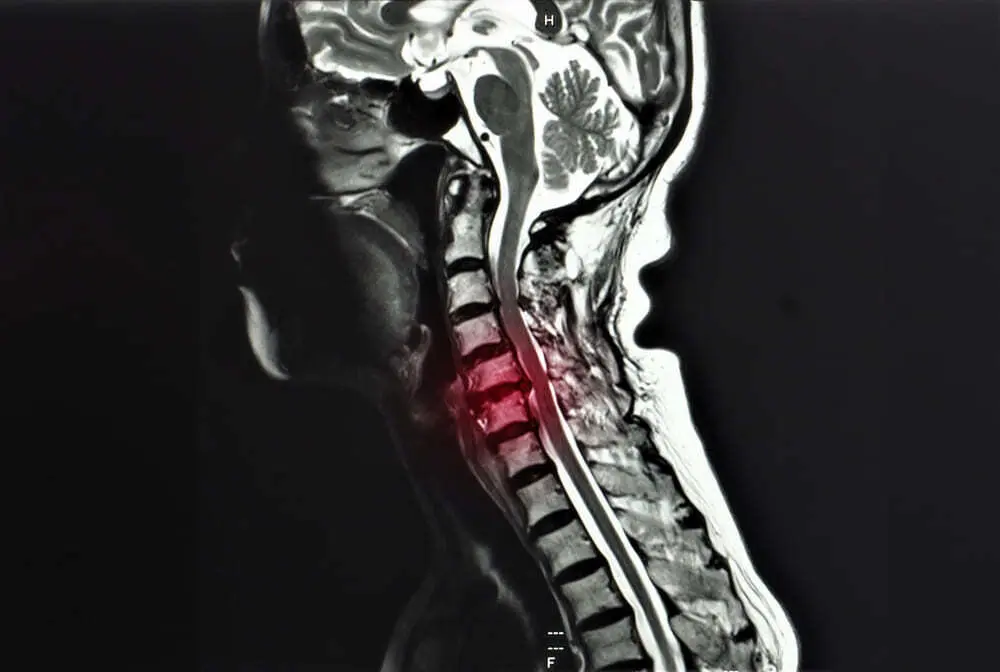
When you experience numbness in your hands, difficulty walking, or persistent neck pain, you might be dealing with a serious spinal condition called myelopathy. This progressive disorder occurs when your spinal cord becomes compressed, leading to neurological symptoms that can significantly impact your daily life. If conservative treatments haven’t provided relief, spinal decompression surgery may offer the solution you need.
A spine specialist in New York can evaluate your condition and determine whether surgical intervention represents your best path forward. Here, New York Spine Specialist will explain how spinal decompression surgery addresses degenerative myelopathy and what you can expect from this treatment.
Understanding Myelopathy and Its Impact
Myelopathy develops when your spinal cord experiences compression from surrounding structures. This compression may result from degenerative disc disease, bone spurs, herniated discs, or spinal stenosis.
The condition can affect any region of your spine. Cervical myelopathy occurs in your neck and represents the most common form, while thoracic myelopathy affects your mid-back. According to a study in the European Spine Journal, about 15% of patients experience significant spinal deterioration over three years without proper intervention.
Your symptoms depend on where the compression occurs. You might notice weakness in your arms or legs, trouble with fine motor skills, an unsteady gait, or loss of bladder control. A study in International Orthopaedics reports that approximately 40% of people with degenerative cervical myelopathy can’t return to work, with 50% of patients becoming reliant on others for daily activities.
When You Need Surgical Intervention
Your doctor initially may recommend conservative treatments for myelopathy treatment, including physical therapy, anti-inflammatory medications, or bracing. However, these approaches only manage symptoms and don’t address the underlying compression.
Surgery becomes necessary when conservative treatments fail to provide relief or when you experience progressive neurological decline. Spinal decompression procedures aim to create more space around your spinal cord by removing the structures causing compression.
Types of Spine Surgery for Myelopathy
Several surgical approaches provide surgical relief for spinal compression. The specific procedure your surgeon recommends depends on your condition’s location and severity.
A laminectomy removes portions of the vertebral bone to create more space for your spinal cord. Discectomy involves removing herniated disc material that presses against your spinal cord. Foraminotomy enlarges the openings where nerve roots exit your spinal canal.
When spinal instability exists, your spine surgeon in New York may recommend fusion surgery alongside decompression to stabilize affected vertebrae. The same International Orthopaedics study cited above claims that 71% of patients who had cervical spondylotic myelopathy experienced neurological improvements following surgical intervention.
The Minimally Invasive Approach
Modern spine surgery often utilizes minimally invasive techniques for managing degenerative myelopathy. Your surgeon makes small incisions and uses specialized instruments with microscopic cameras to perform the procedure.
This approach offers several advantages. You experience less muscle damage, reduced blood loss, and decreased postoperative pain. Many patients who undergo minimally invasive spinal decompression surgery go home the same day.
Recovery and Rehabilitation
Your recovery process begins immediately after surgery with pain management and early mobilization. You may need to wear a cervical collar temporarily to support your spine while it heals.
Physical therapy plays a critical role in your recovery. Your therapist designs exercises to improve your strength, flexibility, and coordination. Most patients notice improvement within weeks of degenerative spine disorder treatment, though complete recovery may take several months.
Trust New York Spine Specialist for Expert Myelopathy Care
Understanding spinal decompression surgery empowers you to make informed decisions about managing your myelopathy symptoms. When conservative treatments no longer provide adequate relief, surgical intervention can restore your quality of life. Learning about the causes of degenerative disc disease helps you understand how spinal conditions develop.
At New York Spine Specialist, we provide comprehensive evaluations and advanced surgical treatments for patients experiencing myelopathy and other spinal conditions. Our doctors accept most insurance plans, including workers’ compensation, no-fault, and PIP (personal injury protection). Same-day appointments may be available.
Call New York Spine Specialist today at (516) 355-0111 to schedule your consultation and learn how spinal decompression surgery can help you regain function.
Frequently Asked Questions About Spinal Decompression Surgery
Here are answers to common questions patients ask about surgical treatment for myelopathy:
What Success Rate Can I Expect From Decompression Surgery?
Your individual results depend on the severity of your condition, your overall health, and your adherence to rehabilitation protocols.
How Long Does the Surgery Typically Take?
Most spinal decompression procedures take 1-3 hours to complete.
When Can I Return to Work After Having Spinal Decompression Surgery?
Patients with desk jobs may return within 2-4 weeks, while those performing physical labor need longer recovery periods.