
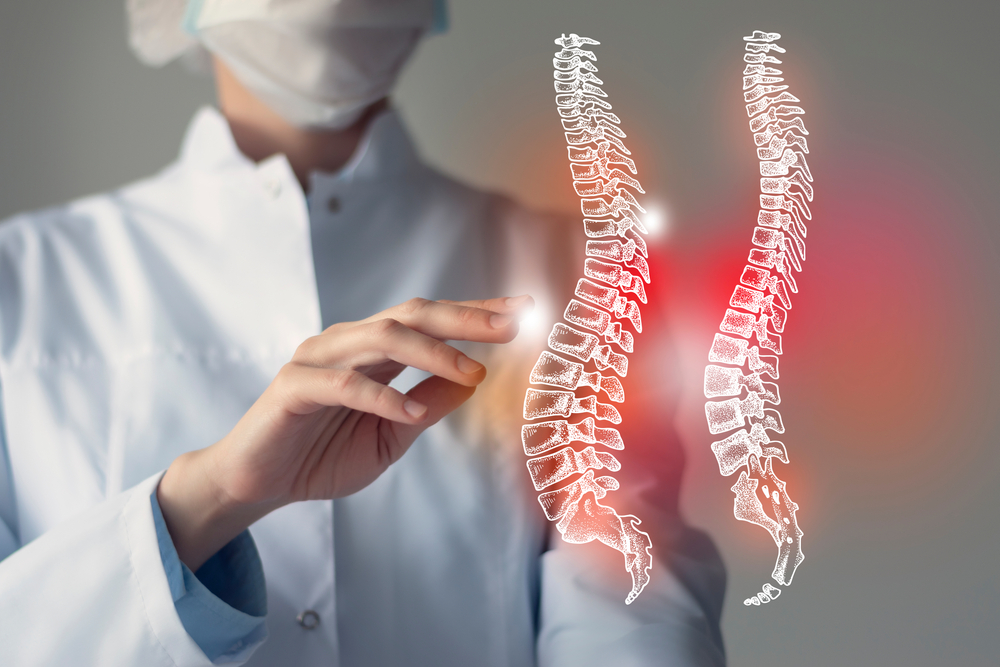
Severe foraminal stenosis can cause debilitating pain, numbness, and weakness, making everyday activities difficult. This condition occurs when the openings between the vertebrae (foramina) narrow, compressing spinal nerves and leading to significant discomfort. If left untreated, it can impact mobility, limit function, and reduce quality of life.
Fortunately, various treatment options can help manage symptoms and restore movement. While some patients find relief with conservative methods like physical therapy and epidural injections, others may require advanced minimally invasive procedures to alleviate nerve compression. At New York Spine Specialist, we believe exploring all available treatment options is essential for finding long-term relief and preventing further complications.
Foraminal stenosis is a spinal condition that occurs when the openings between the vertebrae, known as foramina, become narrowed. These passageways allow nerves to exit the spinal cord and travel to other areas of the body. When they shrink due to degeneration, bone spurs, herniated discs, or thickened ligaments, they can compress the nerves, causing pain, numbness, tingling, or weakness.
Foraminal stenosis can develop in any part of the spine but is most common in the cervical (neck) and lumbar (lower back) regions. The severity of symptoms varies on the extent of nerve compression, ranging from mild discomfort to debilitating pain. Left untreated, it can interfere with mobility and daily activities. Fortunately, treatment options range from conservative methods like physical therapy and injections to advanced minimally invasive procedures designed to relieve pressure on the affected nerves.
Foraminal stenosis occurs when the openings in the spine, called foramina, narrow and compress nearby nerves. Common symptoms include:
Symptoms often worsen with movement, such as bending, twisting, or standing for extended periods, and may improve with rest or specific postures.
Foraminal stenosis is typically caused by age-related degeneration, but other factors can contribute to its development, including:
Understanding causes and symptoms is essential for diagnosing and treating foraminal stenosis before it significantly impacts mobility and quality of life.
Foraminal stenosis treatment focuses on relieving nerve compression, reducing pain, and improving mobility. Treatment options range from conservative approaches to minimally invasive procedures.
Many patients find relief through non-surgical methods, including:
If symptoms persist despite conservative treatment, more advanced interventions may be necessary:
The right treatment plan depends on the patient’s symptoms, overall health, and response to non-surgical therapies. Consulting a spine specialist can help determine the best course of action for long-term relief.
If you’re struggling with symptoms of foraminal stenosis, relief is within reach. At New York Spine Specialist, we offer personalized treatment plans designed to reduce pain and restore mobility. Whether you benefit from conservative treatments like physical therapy and injections or require a minimally invasive procedure, we tailor our approach to your specific needs. Our team is committed to providing the highest level of care, using advanced diagnostic tools and innovative techniques to achieve the best possible outcomes.
Don’t let nerve compression interfere with your daily life. Our specialists understand the complexity of spine conditions and are here to guide you through every step of your recovery. With a patient-centered approach, we focus on helping you regain function and comfort as quickly as possible. Our practice is led by Dr. Lattuga, rated in the top 1% of doctors in NY/NJ with affiliations at major hospitals including New York Presbyterian and Northwell. Our team offers services in Spanish, Italian, French, Korean, Cantonese, and Mandarin for clear communication with all patients. Contact us today at (551) 550-7246 or book an appointment through our contact form.