
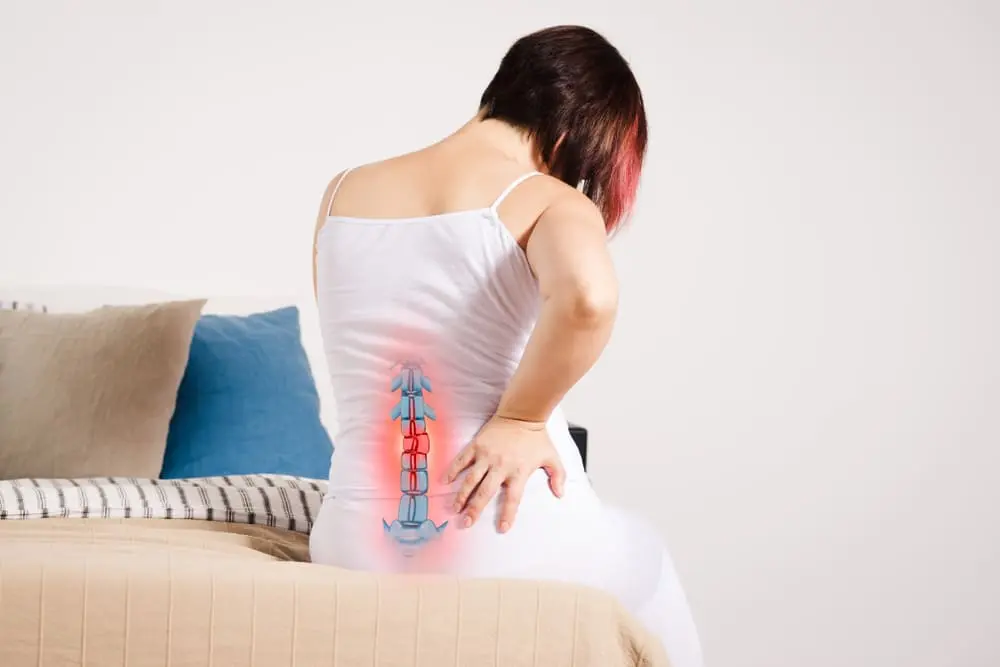
Are you struggling with persistent neck or lower back pain accompanied by stiffness, numbness, or radiating discomfort? You may be experiencing symptoms of spondylosis, a common degenerative condition affecting the spine. This progressive wear and tear of spinal discs and joints impacts your quality of life, but lumbar and cervical spondylosis treatments in New York can manage symptoms and improve function.
At New York Spine Specialist, we provide comprehensive treatment for both lumbar and cervical spondylosis for patients throughout New York. Our approach combines advanced diagnostic techniques with personalized treatment plans tailored to your condition and lifestyle needs. Dr. Lattuga, rated in the top 1% of doctors in NY/NJ and affiliated with prestigious institutions and hospitals, including New York Presbyterian Hospital and Northwell, leads our team in delivering exceptional spine care.
Spondylosis is age-related degeneration of the spine that can occur in any region but most commonly affects the neck (cervical) and lower back (lumbar) areas. This condition develops gradually as spinal discs lose moisture and elasticity, becoming less effective at cushioning the vertebrae.
Cervical spondylosis affects the seven vertebrae in your neck. According to the National Institute of Arthritis and Musculoskeletal and Skin Diseases, this condition affects more than 85% of people over age 60, though many individuals remain asymptomatic. Common symptoms include:
Our comprehensive treatment approach for cervical spondylosis focuses on pain management and functional improvement through a combination of conservative therapies. We assess your condition to determine the extent of the degeneration and develop a personalized treatment plan that can include physical therapy, medication management, and minimally invasive interventions like epidural steroid injections or facet joint blocks.
For severe symptoms unresponsive to conservative care, we can discuss advanced treatment options. With proper management, most patients with cervical spondylosis can experience significant symptom relief and maintain their quality of life despite the degenerative nature of the condition. Our expert team works to optimize your neck function and help you get back to daily activities with reduced pain and improved mobility.
Lumbar spondylosis involves the five vertebrae in your lower back. This region bears most of your body weight, making it especially susceptible to wear and tear. Typical symptoms include:
Our multidisciplinary approach to lumbar spondylosis management combines evidence-based treatments tailored to your specific symptoms and functional needs. We typically begin with conservative measures like physical therapy, targeted exercises, and appropriate pain management strategies.
For patients experiencing significant pain, minimally invasive interventions such as epidural steroid injections or other types of injections may provide some relief as part of our comprehensive spondylosis care in New York.
We work closely with you to develop a comprehensive treatment plan addressing immediate pain relief and long-term spine health. With proper management, most patients can maintain an active lifestyle despite lumbar spondylosis, reducing dependence on medications and avoiding unnecessary surgical interventions when possible. Our goal is to help you regain mobility, diminish pain, and improve your quality of life through personalized spine care.
Accurate diagnosis forms the foundation of effective spondylosis treatment. At New York Spine Specialist, our diagnostic process includes:
Our physicians conduct thorough physical assessments, evaluating your range of motion, muscle strength, reflexes, and sensory responses. We carefully document the specific movements or positions that trigger or alleviate your pain.
We utilize state-of-the-art imaging technologies to visualize spinal structures:
For most patients with lumbar or cervical spondylosis, conservative management effectively controls symptoms without surgery. Our comprehensive non-surgical approaches include:
Various medications may help manage pain and inflammation:
Our approach focuses on finding the balance between pain relief and minimizing potential side effects. We carefully consider your medical history, current medications, and specific symptoms when developing a personalized medication plan. Routine follow-up appointments allow us to monitor your response to treatment and make necessary adjustments.
While medications play an important role in managing spondylosis symptoms, we view them as one component of a comprehensive treatment strategy including physical therapy, interventional procedures, and lifestyle modifications. We aim to use medications strategically to improve your function and quality of life while working toward long-term pain management solutions that reduce reliance on pharmaceutical interventions whenever possible.
Our specialized physical therapy programs focus on:
Patients who participate in structured physical therapy programs report up to 60% greater improvement in pain and function compared to those using medication alone.
When more conservative measures prove insufficient, we offer minimally invasive interventional procedures:
These interventional procedures can provide substantial pain relief for patients suffering from spondylosis when conservative treatments haven’t achieved adequate results. Our physicians utilize advanced imaging guidance to ensure precise placement and maximum therapeutic benefit with minimal discomfort.
By targeting the exact source of pain with these specialized techniques, we can often help patients avoid more invasive surgical options while providing significant improvement in pain levels and functional ability for months at a time through our comprehensive lumbar and cervical spondylosis treatment in New York.
While most spondylosis cases respond well to non-surgical treatment, some patients with severe symptoms or neurological deficits may benefit from surgical intervention. Our surgical options include:
Surgeons utilize several techniques to relieve pressure on neural structures in the spine.
These decompression approaches can be performed individually or in combination, depending on the specific pathology and patient needs.
When spinal instability accompanies nerve compression, stabilization procedures may be necessary to maintain proper alignment.
Each stabilization method offers distinct advantages, and our surgical team carefully evaluates which approach will provide optimal outcomes for your specific condition as part of our expert lumbar and cervical spondylosis care in New York.
Beyond specific treatments, we emphasize comprehensive pain management strategies:
We approach surgical intervention with careful consideration, recommending these advanced procedures only when conservative treatments haven’t provided adequate relief or when the neurological function is at risk.
Our surgical team uses state-of-the-art techniques and technology to ensure optimal outcomes with the least invasive approach possible. Before any surgical procedure, we conduct thorough evaluations and discussions with patients to establish realistic expectations and develop a comprehensive rehabilitation plan.
Most patients who undergo appropriate surgical intervention for spondylosis experience significant improvement in pain levels and quality of life. Following surgery, our multidisciplinary team provides ongoing support throughout the recovery process, helping patients gradually return to their daily activities with improved spinal function and reduced pain.
Living with the pain and limitations of lumbar or cervical spondylosis can significantly impact your quality of life. At New York Spine Specialist, we are committed to providing personalized care that addresses both your symptoms and their underlying causes. Our multilingual staff speaks Spanish, Italian, French, Korean, Cantonese, and Mandarin, ensuring effective communication throughout your treatment journey.
Dr. Lattuga and our team of spine specialists are affiliated with leading medical institutions, combining extensive clinical experience with cutting-edge treatment approaches to deliver exceptional care for all spine conditions. If you’re seeking relief from spondylosis symptoms, call us at 516-355-0111 or visit our contact form to schedule your consultation.