
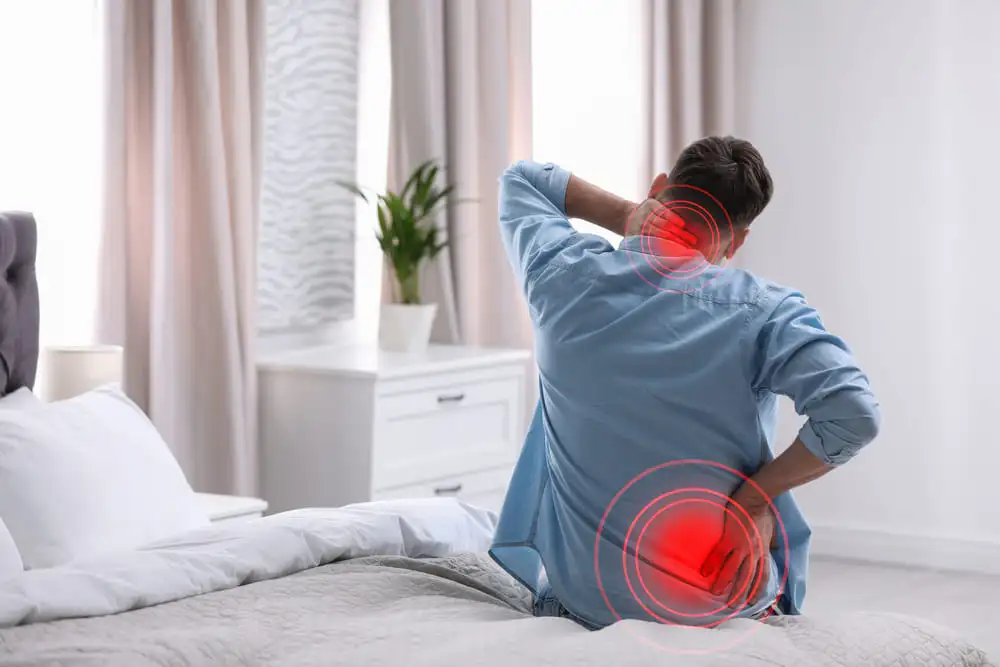
Do you have persistent back or neck pain, stiffness, or reduced mobility that worsens with certain movements? These symptoms may indicate degenerative disc disease, a condition that affects the spinal discs as they naturally age and wear over time. While these changes are part of the normal aging process, the resulting pain and limitations can significantly impact your quality of life.
At New York Spine Specialist, we provide comprehensive degenerative disc disease treatment for patients throughout New York. Our multidisciplinary approach combines advanced diagnostic techniques with personalized treatment plans addressing your specific symptoms and lifestyle needs. Dr. Lattuga, rated in the top 1% of doctors in NY/NJ and affiliated with prestigious institutions and hospitals, including New York Presbyterian Hospital and Northwell, leads our team in delivering exceptional care for all spine conditions.
This condition indicates a natural breakdown of spinal discs that occurs with age. These discs, cushions between the vertebrae, gradually lose water content and elasticity over time, becoming less effective at absorbing shock and supporting the spinal movement.
Nearly 35% of adults experience some degree of disc degeneration by age 80, though many remain asymptomatic.
Common symptoms of symptomatic degenerative disc disease include:
While degenerative disc disease is concerning, many New York treatment options for degenerative disc disease may help to manage symptoms and improve your lifestyle.
These approaches range from conservative methods like physical therapy and medication to more advanced interventions when conservative measures don’t provide adequate relief.
With proper diagnosis and customized treatment, most people with degenerative disc disease can maintain active, fulfilling lives despite these spinal changes.
Proper diagnosis is the basis of effective treatment. Our evaluation process includes the following:
Our physicians conduct thorough evaluations, including:
We utilize state-of-the-art diagnostic technologies:
This allows our physicians to create a complete picture of your spinal health and develop a precise understanding of the structural and functional factors contributing to your symptoms. We can accurately identify the location, severity, and specific characteristics of disc degeneration, developing targeted treatment plans that address the cause of your discomfort rather than simply managing symptoms.
For most patients with degenerative disc disease, conservative management effectively controls symptoms without surgery. Our comprehensive non-surgical approaches include:
Our specialized physical therapy programs focus on:
Structured physical therapy programs can reduce pain scores by up to 50% in patients with degenerative disc disease when consistently followed for 12 weeks.
Various medications may help manage pain and inflammation:
When more conservative measures prove insufficient, we offer minimally invasive interventional procedures:
Emerging treatments aim to promote healing and disc health:
We customize treatments based on your specific symptoms, lifestyle needs, and response to initial interventions. By progressively implementing these non-surgical options in a coordinated manner, we can effectively manage symptoms, improve function, and potentially slow disease progression in many patients, often eliminating the need for more invasive surgical procedures while helping you return to your daily activities with improved comfort and mobility.
When conservative treatments do not help, surgical options may be considered. Our surgical approaches include:
For cases involving herniated discs with nerve compression:
These minimally invasive techniques allow patients to experience less post-operative pain and faster return to daily activities.
This advanced procedure:
Many patients find this option appealing because it aims to preserve natural movement while addressing the damaged disc directly.
For cases with significant instability or when other options have failed:
Our expert surgical team in New York uses the latest techniques and technologies to maximize outcomes while minimizing recovery time for each procedure. The decision to pursue surgery is always made collaboratively, considering your specific anatomy, symptoms, lifestyle needs, and treatment goals. Before recommending any surgical intervention, we conduct a comprehensive risk-benefit analysis to ensure the potential advantages significantly outweigh any risks.
Following surgery, our integrated rehabilitation protocols are designed to optimize your recovery and help restore function, providing long-term pain relief and enhanced quality of life that wasn’t achievable through non-surgical methods alone.
Our approach extends beyond specific treatments to address overall spine health:
We provide guidance on daily habits that support spine health:
We help develop personal pain control techniques:
Our care continues after your immediate treatment:
We partner with you to implement practical daily strategies that protect your spine, develop personalized pain management techniques that work with your lifestyle, and provide continuous support as your needs evolve. This patient-centered approach transforms spine care from a series of medical interventions into an empowering journey where you gain the knowledge, skills, and professional guidance needed to actively manage your condition.
Many of our patients report not just pain reduction but also renewed confidence in their bodies and ability to participate in meaningful activities they had previously abandoned due to discomfort or fear of injury.
Living with the pain and limitations of degenerative disc disease can significantly impact your quality of life. Our New York Spine Specialists are committed to providing personalized care that addresses both your symptoms and their underlying causes. Our multilingual staff speaks Spanish, Italian, French, Korean, Cantonese, and Mandarin, ensuring effective communication throughout your treatment journey.
Dr. Lattuga and our team of spine specialists are affiliated with leading medical institutions. We combine extensive clinical experience with cutting-edge treatment approaches to deliver exceptional care for all spine conditions. If you’re seeking relief from degenerative disc disease symptoms in New York, call us at 516-355-0111 or visit our contact form to schedule your consultation.