
If you have been living with chronic pain for months or years, you know how exhausting it can be. A spinal cord stimulator could be your answer for long-term relief, but what does this entail? Below, the team at New York Spine Specialist explains what you can expect.
For more personalized information, schedule a consultation with a spine surgeon in New York.
Understanding How a Spinal Cord Stimulator Works
According to the National Center for Complementary and Integrative Health, 8.2% of American adults have chronic severe back pain, and 74.8% face associations between severe chronic back pain and significant disability.
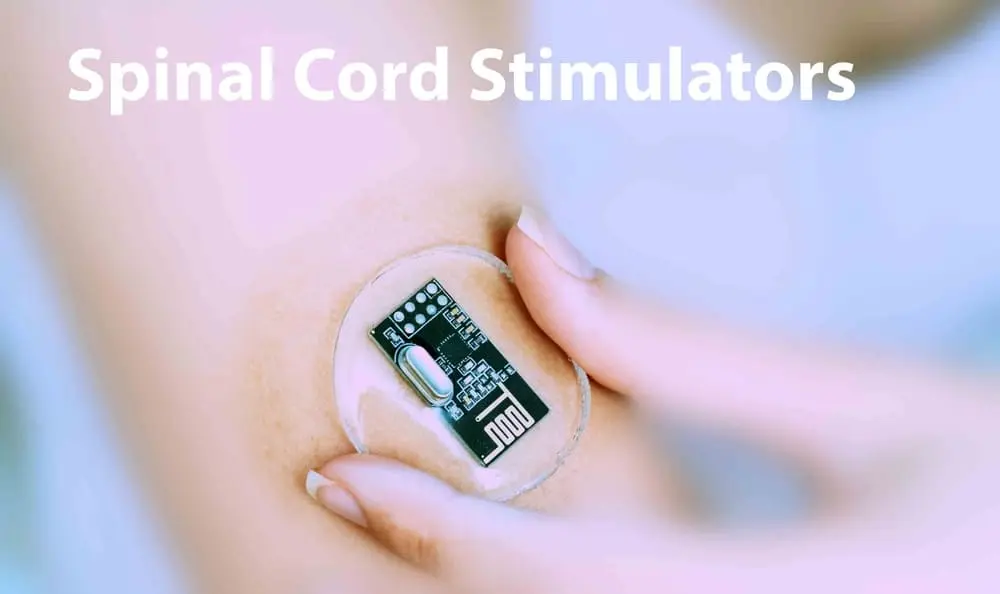
A spinal cord stimulator is a device that delivers mild electrical waves to the spinal nerves, modifying pain signals before they reach the brain. Instead of treating the root cause of pain, the stimulator changes the way the brain perceives it.
According to Johns Hopkins Medicine, for CRPD, failed back surgery syndrome, and persistent back pain and limb discomfort, spinal cord stimulator therapy is frequently utilized. This treatment is typically considered when medications and physical therapy have not provided sufficient relief.
What To Expect in the First Weeks After Spinal Cord Stimulator Implantation
Recovery after spinal cord stimulator implantation is typically shorter than many patients expect, since the procedure is minimally invasive. You may experience soreness and swelling around the incision sites for the first few days.
During the first six to eight weeks, you must avoid bending, twisting, and reaching above your head to protect the leads. According to a review of 68 studies covering more than 2,700 patients, lead migration affects 13.2% of spinal cord stimulation cases, making early movement restrictions essential.
Managing Daily Life With a Spinal Cord Stimulator
The patient experience with spinal cord stimulator therapy is generally positive, though some adjustments are necessary. Consider these changes:
- Driving: You must turn the device off while driving, though it may remain on as a passenger.
- Travel: You need to carry your medical device identification card at all times. The stimulator will be detected by airport security scanners.
- MRI compatibility: Not all spinal cord stimulators are MRI-compatible, so you have to confirm your device’s specifications with your doctor.
- Charging: You need to keep the remote and pulse generator charged to avoid interruptions in pain management.
Even after recovery, certain precautions remain. High-impact activities, extreme bending, and heavy twisting can stress the leads.
Long-Term Outcomes and Pain Relief After Spinal Cord Stimulator Implantation
Research supports the long-term effectiveness of this therapy. According to a study published in the Journal of Pain Research, 86.1% of patients achieved trial success with at least 50% pain relief, and 76.6% of those who received a permanent implant maintained significant improvement at their follow-up visit. Opioid use decreased in 58.9% of patients after implantation, highlighting the benefits beyond pain relief.
Post-implant care for spinal cord stimulator patients involves follow-up visits and adjustments as pain levels change. This fine-tuning is normal and not a sign of complications.
Are You Ready To Meet With a Spine Surgeon in New York?
At New York Spine Specialist, we guide patients through every phase of treatment, from their initial evaluation to long-term post-implant care. Learn more about understanding spinal cord stimulation with our informative guide.
Our doctors accept most insurance plans, including workers’ compensation, no-fault, and PIP (personal injury protection). Same-day appointments may be available. Call (516) 355 0111 to schedule a consultation with our team.
FAQs Answered by a Spine Specialist in New York
Here are some common questions patients ask about spinal cord stimulator implants.
How Long Does Recovery From a Spinal Cord Stimulator Implant Take?
Recovery from a spinal cord stimulator implant typically takes two to six weeks, depending on the patient and the extent of the procedure.
Can You Live a Normal Life With a Spinal Cord Stimulator?
Most patients can live a normal life with a spinal cord stimulator, though driving with the device on and some medical procedures may require adjustments.
What Activities Should You Avoid After Getting a Spinal Cord Stimulator?
After getting a spinal cord stimulator, patients should avoid heavy twisting, extreme bending, diathermy, and certain electrosurgical procedures that can interfere with the device.
How Effective Is a Spinal Cord Stimulator for Long-Term Pain Relief?
A spinal cord stimulator is effective for many patients, with research showing that over 76% of those who received a permanent implant maintained significant pain improvement at long-term follow-up visits. If you’re unsure whether this option is right for you, we recommend speaking with your provider.